BMW X5: The SUV That Created a Segment, Fully Renewed
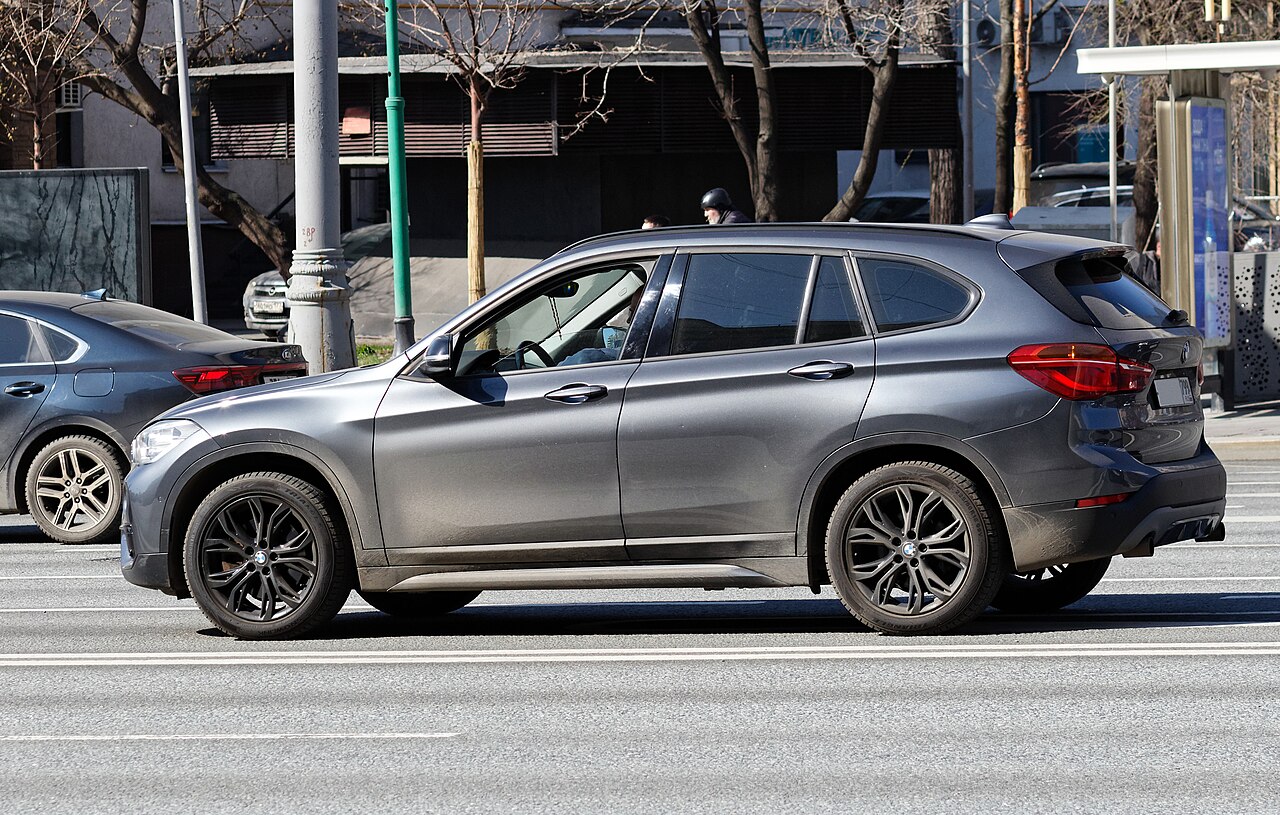 Photo: Wikimedia Commons — CC BY-SA 4.0
When BMW launched the original X5 in 1999, the idea of a genuinely sporty, on-road-focused luxury SUV barely existed as a category — the X5 largely invented it. More than two decades and four generations later, the fifth-generation X5 arrives with something notable even by that car's own standard: BMW's broadest range of drive systems ever offered on a single model, spanning combustion, plug-in hybrid, and for the first time, a fully electric variant badged the iX5.
Neue Klasse technology arrives in the SUV that matters most
The new X5 borrows directly from the technology BMW introduced with the Neue Klasse iX3 — most significantly, a new generation of high-voltage battery built around cylindrical lithium-ion cells rather than the prismatic cells used in previous BMW EVs. For the iX5 specifically, these cells are larger still: 120mm tall, using the same core cell chemistry as the iX3's 95mm cells, but with the added height raising usable cell energy by almost 30 percent. The result is what BMW calls its Gen6 eDrive system — new electric motors, a redesigned high-voltage battery, faster charging, and for the first time, bidirectional charging capability, letting the car's battery potentially power external devices or feed energy back into a home or grid.
The new BMW iX5 is the first model anywhere in BMW's lineup to use the larger 120mm cylindrical battery cells — a genuine engineering first, not a shared component pulled from the iX3.
A standard NACS port — no adapter required
Reflecting the broader industry shift toward Tesla's charging standard, the iX5 ships with a standard NACS charging port built in, giving direct access to the Tesla Supercharger network without needing a separate adapter — a detail that matters enormously for road-trip usability in markets where that charging network has the deepest coverage.
Design: evolution, not revolution — deliberately
Unlike the iX3's dramatic visual departure from its predecessor, the new X5's design plays it comparatively safer — a "powerful new design" in BMW's own words, but one that remains clearly, recognisably an X5 in silhouette and proportion. This is a deliberate choice: the X5 nameplate carries enormous brand equity as BMW's flagship SUV, and BMW has chosen evolution over the kind of clean-sheet reinvention applied to the iX3, reserving the most radical styling changes for the models built purely on the new Neue Klasse platform from the ground up.
The broadest powertrain range BMW has ever offered on one model
| Powertrain | What it offers |
|---|---|
| Combustion (petrol/diesel) | The traditional X5 experience, familiar performance and refuelling |
| Plug-in hybrid | Electric-only short trips, combustion for longer range, best of both |
| iX5 (fully electric) | Gen6 eDrive, bidirectional charging, standard NACS port |
Offering this much powertrain diversity on a single nameplate is itself a statement: rather than picking a single electrification strategy and pushing every buyer toward it, BMW is betting that X5 buyers specifically — a genuinely global, genuinely diverse customer base spanning wildly different markets, charging infrastructure, and personal preferences — are better served by choice than by a single mandated path forward.
Why this launch matters beyond the X5 itself
The X5 has always been something of a bellwether for BMW's broader strategy, given how central it is to the brand's SUV lineup and profitability. Watching Neue Klasse battery technology — cylindrical cells, Gen6 eDrive, bidirectional charging — migrate from the iX3 into the X5 this quickly signals how aggressively BMW intends to roll this platform out across its range. If the X5 is getting this technology already, expect it to reach the rest of BMW's SUV and sedan lineup faster than a typical multi-year model-cycle rollout would normally suggest.
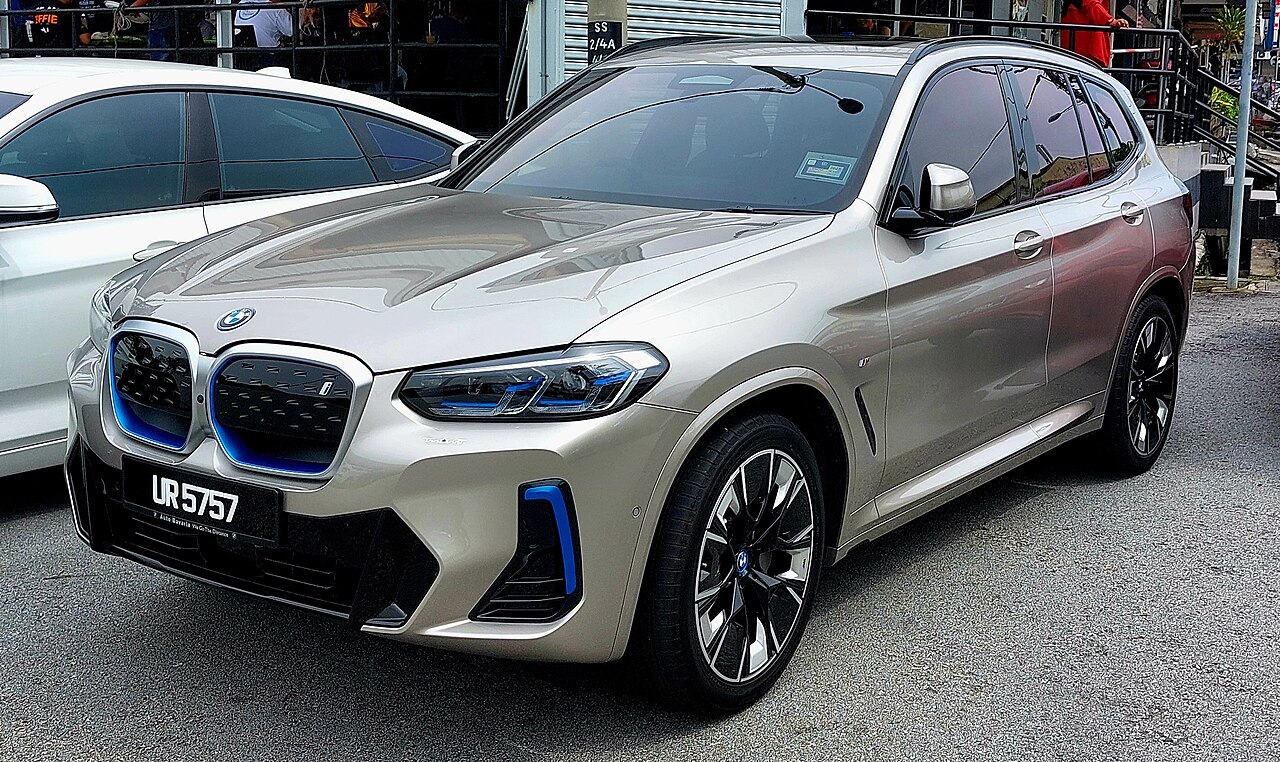
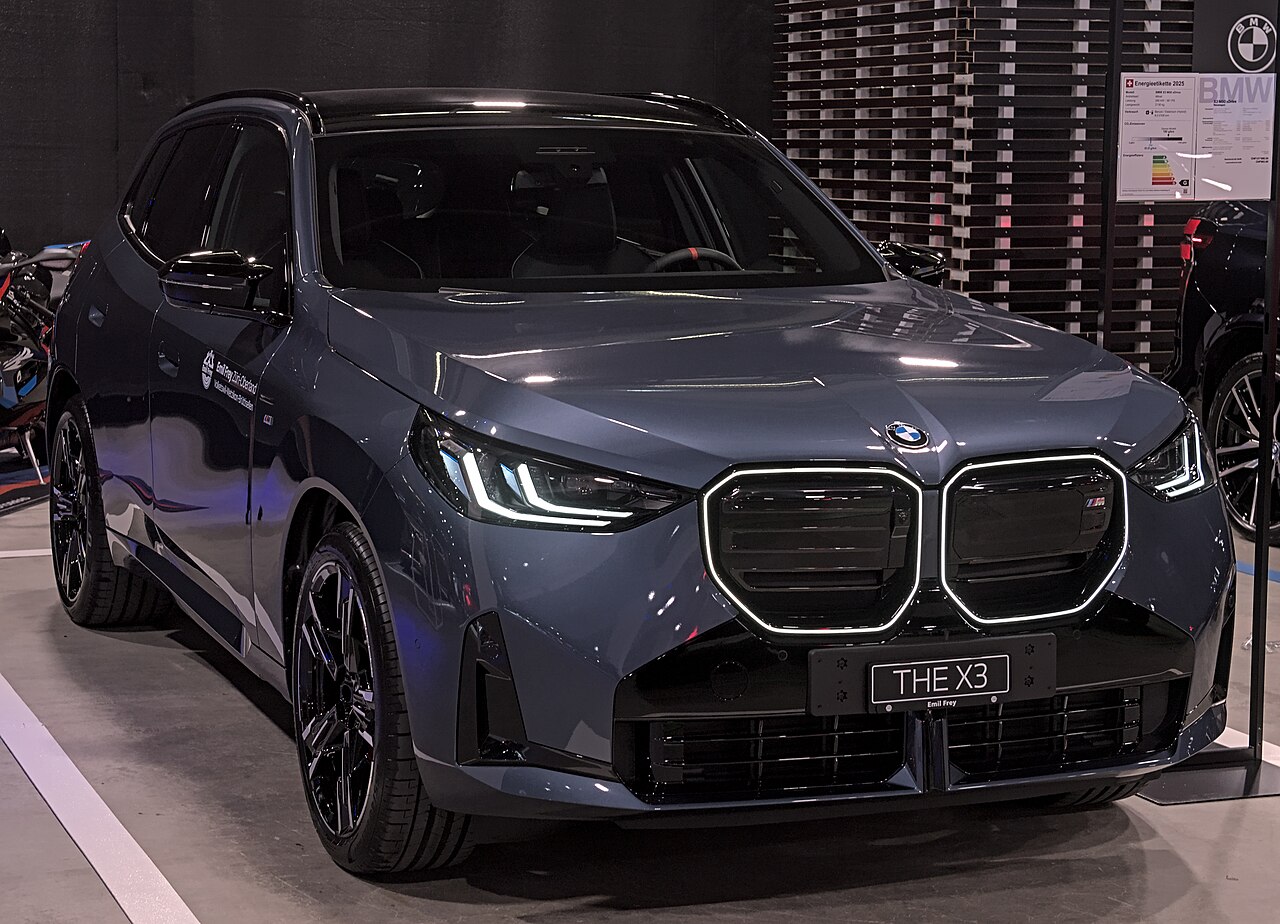
Sources: BMW Group PressClub (USA) — figures current as of August 2026. Image: Wikimedia Commons (CC BY-SA / public domain); representative BMW X-series SUV shown, as fifth-generation X5/iX5 press photography is not yet independently verifiable via Wikimedia Commons.