How Long Do EV Batteries Actually Last? What the Data Shows
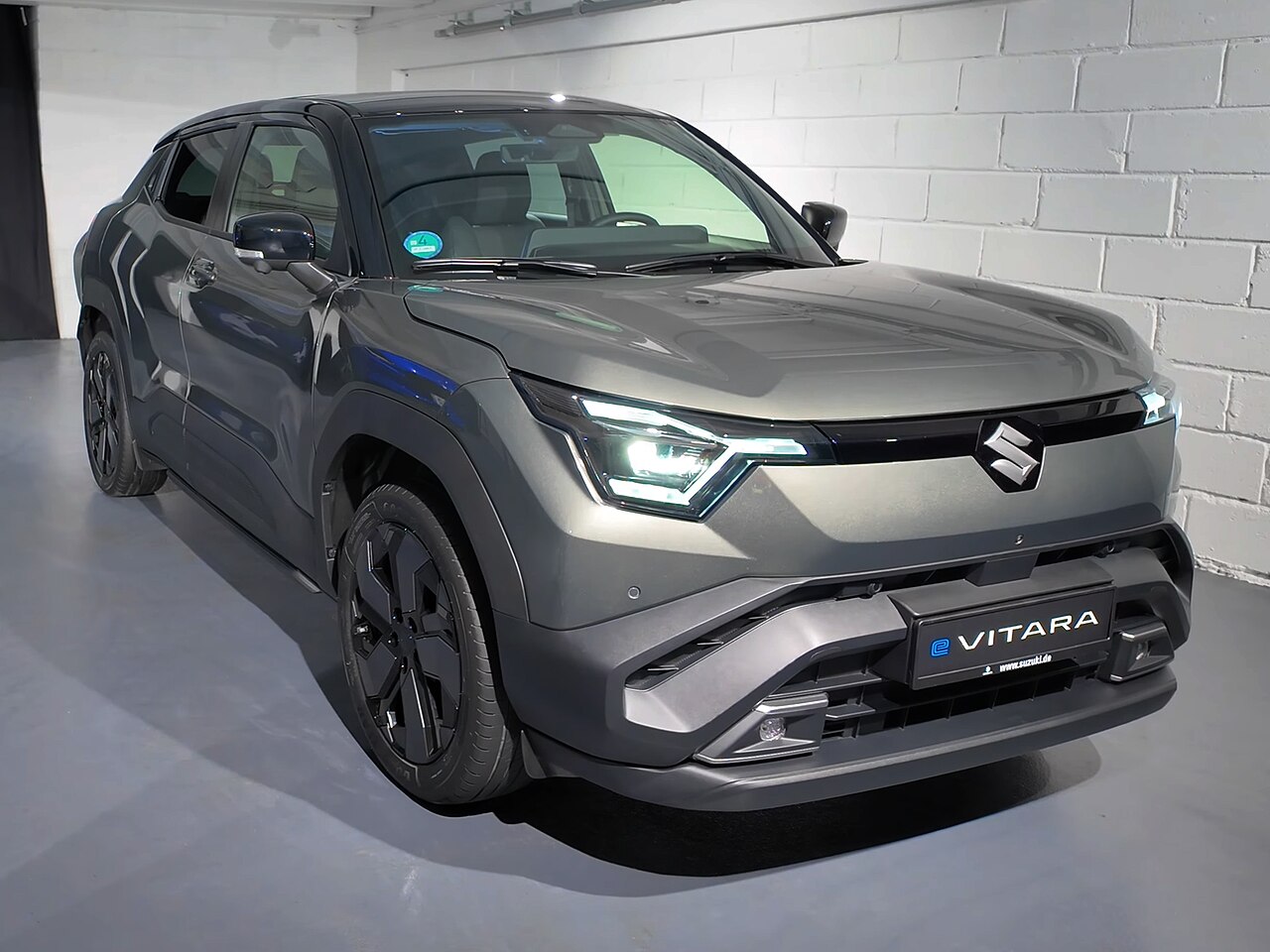 Photo: Wikimedia Commons — CC BY-SA 4.0
For most of the last decade, "what happens when the battery dies" has been the single biggest hesitation keeping people out of electric vehicles. It's a fair question — nobody wants to spend on a car that might need a battery replacement costing more than the vehicle is worth. The good news, backed by genuinely large real-world datasets now spanning millions of days of driving, is that the fear was largely overblown. Here's what the actual data says, not the anecdotes.
The headline number: 1.8% to 2.3% degradation per year
Geotab, a fleet telematics company with access to enormous real-world driving data, has run this analysis multiple times as EV adoption has grown. Its most recent large-scale study — covering over 22,700 vehicles — found an average degradation rate of about 2.3% per year. A separate, more recent Geotab analysis of nearly 5,000 fleet and private EVs, representing almost 1.5 million days of telematics data, found the rate had actually improved to 1.8% per year — down from the 2.3% figure Geotab recorded when it first ran this kind of analysis in 2019. Battery technology is measurably getting better, not staying flat.
"With these higher levels of sustained health, batteries in the latest EV models will comfortably outlast the usable life of the vehicle and will likely not need to be replaced." — David Savage, VP UK & Ireland, Geotab
What that percentage actually means in practice
A 2% annual degradation rate sounds abstract until you translate it into range. Picture a 250-mile EV bought new today: most of the loss happens early, then the curve flattens out considerably. A typical pattern looks like a 2-5% capacity loss in the first year or two as the pack "settles in," followed by a much slower, more linear decline afterward. Many EVs still retain 81-88% of their original capacity after eight years of typical use — and some models, under gentle driving conditions, average closer to 1% annual loss, essentially half the headline figure.
Battery lifespan isn't a cliff — it's a slow curve
One of the most persistent myths about EV batteries is that they'll suddenly fail once they hit some threshold, the way a phone battery seems to. The actual degradation pattern follows what battery researchers describe as an S-shaped curve: a bit of early settling-in loss, then a long, slow, linear aging period, and only a sharp drop at the very end of the battery's usable life — a stage almost no EV on the road today has actually reached. Recurrent's dataset, tracking real-world EVs, reports a battery replacement rate of just 0.3% for 2022-and-newer vehicles, excluding major manufacturer recalls. Genuine battery failure remains rare.
What actually accelerates degradation
| Factor | Effect on battery health |
|---|---|
| Frequent DC fast charging | Associated with faster-than-average degradation in large datasets |
| Hot climates | Warmer storage and operating temperatures negatively affect longevity |
| High state of charge + heat, parked | Calendar aging accelerates — batteries age even when not driven |
| Gentle, moderate everyday use | Associated with the slower end of the degradation range (~1%/year) |
Interestingly, a two-year Stanford study of 92 lithium-ion batteries found that real-world driving conditions — stop-and-go traffic, rest periods between drives — actually let batteries degrade more slowly than standard laboratory testing predicted, and that batteries handled sharp, short accelerations better than researchers expected going in. Real-world use, in other words, may genuinely be gentler on a battery than the lab tests historically used to estimate lifespan.
What manufacturer warranties actually promise
The industry-standard EV battery warranty sits at 8 years or 100,000 miles in the US, guaranteeing a minimum of roughly 70% remaining capacity within that window — California mandates an extended 10-year/150,000-mile minimum. Tesla's Model 3 Standard Range is guaranteed to retain 70% capacity for 8 years or 100,000 miles, whichever comes first; Hyundai extends the same 70% guarantee to a full 10 years or 100,000 miles on EVs from 2020 onward. Tesla's own company data shows batteries losing less than 10% capacity even after 200,000 miles in some fleet examples — genuinely comparable to, or better than, how long a combustion engine's major components typically last.
What to actually check when buying a used EV
- State of Health (SoH) — most EVs can report this figure directly, either on the dashboard or via a diagnostic app; this tells you the battery's current capacity versus new, more useful than odometer mileage alone
- Charging history, if available — a car that's lived mostly on home AC charging will likely show gentler degradation than one that's relied heavily on DC fast charging
- Climate history — a used EV that's spent its life in a hot climate is statistically more likely to show above-average degradation than one from a temperate region
- Red flag threshold — losing more than 20% of capacity within the first 5 years, or sitting below 70% while still inside the factory warranty window, is worth investigating rather than dismissing
The bottom line
The genuinely honest 2026 answer: EV batteries do degrade, that part of the original concern was never wrong. But the degradation is slow, predictable, and — based on the largest real-world datasets available — now measurably improving year over year as the technology matures. For the overwhelming majority of drivers, a modern EV battery will outlast the rest of the car, not the other way around. The right question has shifted from "will this battery survive?" to "how does this specific car's degradation history look?" — and that data is increasingly available to check before you buy.
Sources: Geotab, Recurrent, Coltura, EV Connect, Stanford battery research, Recharged, Electric Car Scheme — figures current as of September 2026. Image: Wikimedia Commons (CC BY-SA 4.0).