Ex-Showroom to On-Road: Where the Extra ₹2–3 Lakh Actually Goes
 Photo: Wikimedia Commons — CC BY-SA 4.0
Every car shopper eventually hits the same uncomfortable moment: the number they'd budgeted around — the ex-showroom price from the brochure or website — turns out to be nowhere near what actually gets charged at delivery. A ₹10 lakh car routinely becomes a ₹12–13 lakh out-the-door number, and the gap only gets more confusing the more expensive the car gets, since several of the add-on charges scale with price too.
None of this is hidden or illegal — it's a completely standard, government-mandated structure — but almost nobody explains it clearly before you're already sitting at the dealership finance desk. Here's every component broken down.
What "ex-showroom" actually includes (and doesn't)
The ex-showroom price is the manufacturer's base price, and it already includes factory GST. What it does not include is anything related to actually registering and insuring the car for road use — that's where every other line item below comes from. On-road price is simply ex-showroom plus all of these mandatory additions.
Road tax: the single biggest variable
Road tax is charged by state governments, not the central government, which is exactly why the same car can cost noticeably different amounts to put on the road depending on where you register it. Rates typically range from around 2.5% to 15% of the ex-showroom price, and — importantly — road tax is calculated on the full ex-showroom price regardless of any discount or exchange bonus you negotiate at the dealership. The RTO doesn't care what deal you struck; it taxes the sticker price.
| State/UT | Approx. road tax (petrol) | Notes |
|---|---|---|
| Dadra & Nagar Haveli | ~2.5% | Lowest in India |
| Sikkim, Puducherry | Low | Among the most affordable |
| Delhi | 4–5% (private, up to ₹6L) | Higher for diesel and commercial-use registration |
| Karnataka | High | Widely cited as one of the highest RTO/on-road burdens nationally |
A car priced ₹10 lakh ex-showroom can carry roughly ₹70,000 in RTO charges in Delhi, but over ₹1.7 lakh in Karnataka for the identical car — a difference of about ₹1 lakh purely based on which state you register in.
Fixed RTO charges (these don't change by state)
Beyond the variable road tax percentage, a set of smaller, largely fixed charges apply nationwide:
- Registration fee — a flat ₹600 across India
- HSRP (High Security Registration Plate) — ₹230 to ₹400 depending on the state
- Hypothecation charge — ₹1,500, but only applicable if you're financing the car through a loan
- FASTag — ₹500 to ₹600, now mandatory for new vehicle registration
TCS: the 1% that surprises higher-budget buyers
Under Section 206C of the Income Tax Act, any car with an ex-showroom price above ₹10 lakh attracts a mandatory 1% Tax Collected at Source, added at the point of sale. This isn't an extra cost in the traditional sense — it's fully claimable as a credit against your income tax when you file your annual return — but it does mean you need that extra 1% in cash or financed upfront at delivery, even though you'll effectively get it back later.
Insurance: mandatory, and often larger than people expect
New cars require a minimum 3-year third-party insurance policy at the time of registration — this part is non-negotiable under Indian law. Most buyers pair this with first-year comprehensive coverage (own-damage plus third-party) and often a Personal Accident cover add-on. Comprehensive insurance premiums vary by insurer, car model, city, and the driver's own profile, but this single line item is frequently the second-largest chunk of the ex-showroom-to-on-road gap after road tax.
One detail worth knowing: you're not obligated to buy insurance through the dealership. Comparing quotes independently online can meaningfully undercut the dealer's bundled insurance offer, though many buyers accept the dealer's package simply for convenience at delivery.
Dealer "handling" or "logistics" charges — know your rights
Some dealers add their own handling, logistics, or delivery charges on top of everything above. It's worth knowing that consumer courts and state transport departments have declared these charges illegal when forced on the buyer without clear justification — you're within your rights to question or push back on unexplained line items that aren't government-mandated taxes or fees.
The EV exception
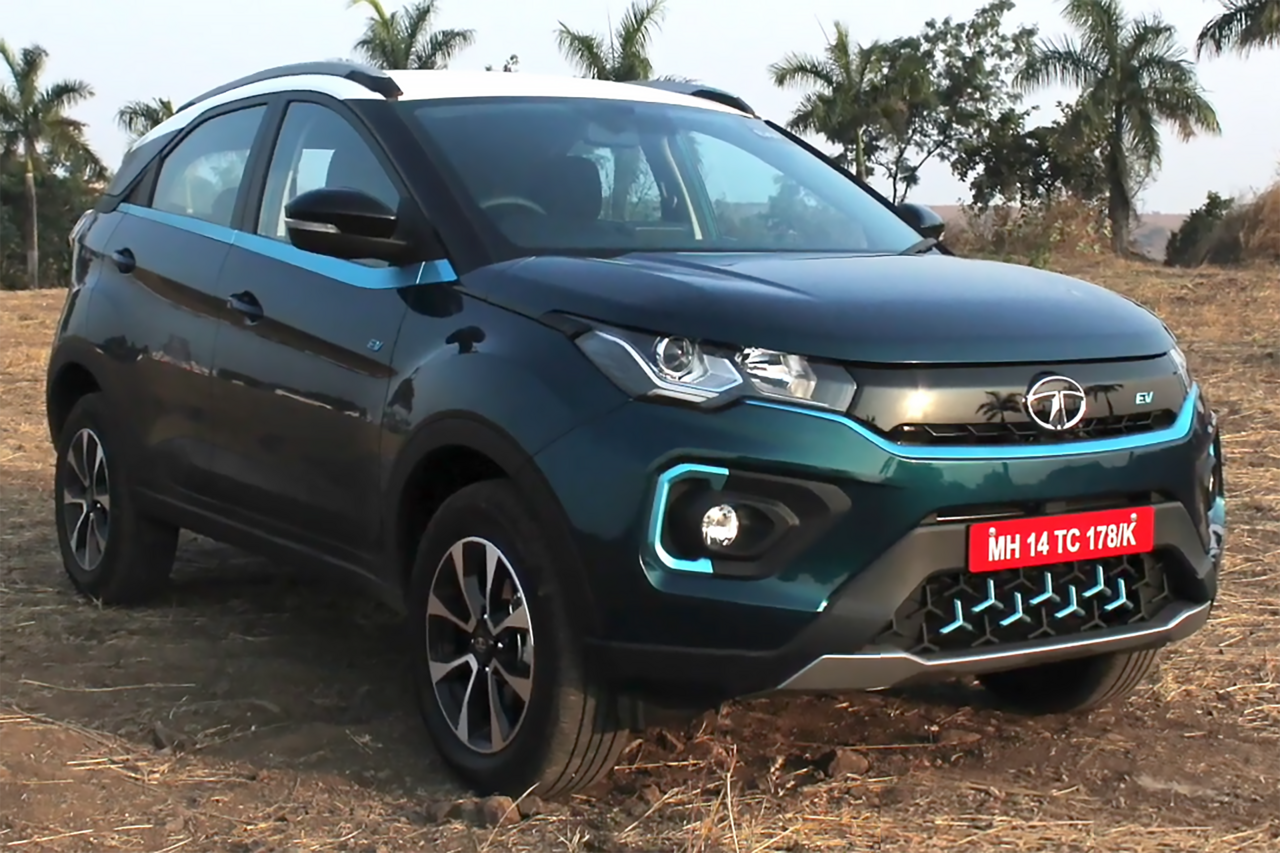
If you're shopping electric, the road-tax math changes substantially. Most major states — including Delhi, Uttar Pradesh, Maharashtra, and Karnataka — offer a 100% waiver on RTO road tax and registration fees for fully electric vehicles, as a policy incentive to encourage EV adoption. In these states, the "road tax" line in an EV's on-road price breakdown effectively becomes ₹0, with only a nominal registration card fee remaining. This is a genuinely significant saving that doesn't show up anywhere on an EV's brochure price, and it's worth factoring in explicitly if you're comparing an EV against an equivalent petrol or hybrid model.
Putting it together: a worked example
Take a car priced at ₹10 lakh ex-showroom, registered privately in a mid-tax state:
- Ex-showroom price: ₹10,00,000
- Road tax (~10%, illustrative mid-range state): ₹1,00,000
- Registration + HSRP + FASTag: ~₹1,300
- TCS (1%, since ex-showroom exceeds ₹10L threshold): ₹10,000
- First-year comprehensive insurance (illustrative): ~₹35,000–45,000
- Estimated on-road total: roughly ₹11.45–11.55 lakh
That's a real-world illustration of the commonly cited 15–25% markup over ex-showroom — and it's why comparing two cars purely by their advertised ex-showroom prices can be misleading if they happen to sit on opposite sides of a tax threshold, or if one is an EV benefiting from a road tax waiver the other doesn't get.
Sources: V3Cars, PB Partners, MotoMotar, OnRoadCost, Bajaj General Insurance, Parivahan Bharat (rates as of 2026; road tax rates are revised periodically by individual states — always verify current rates with your local RTO before purchase). Image: Wikimedia Commons (CC BY-SA / public domain).