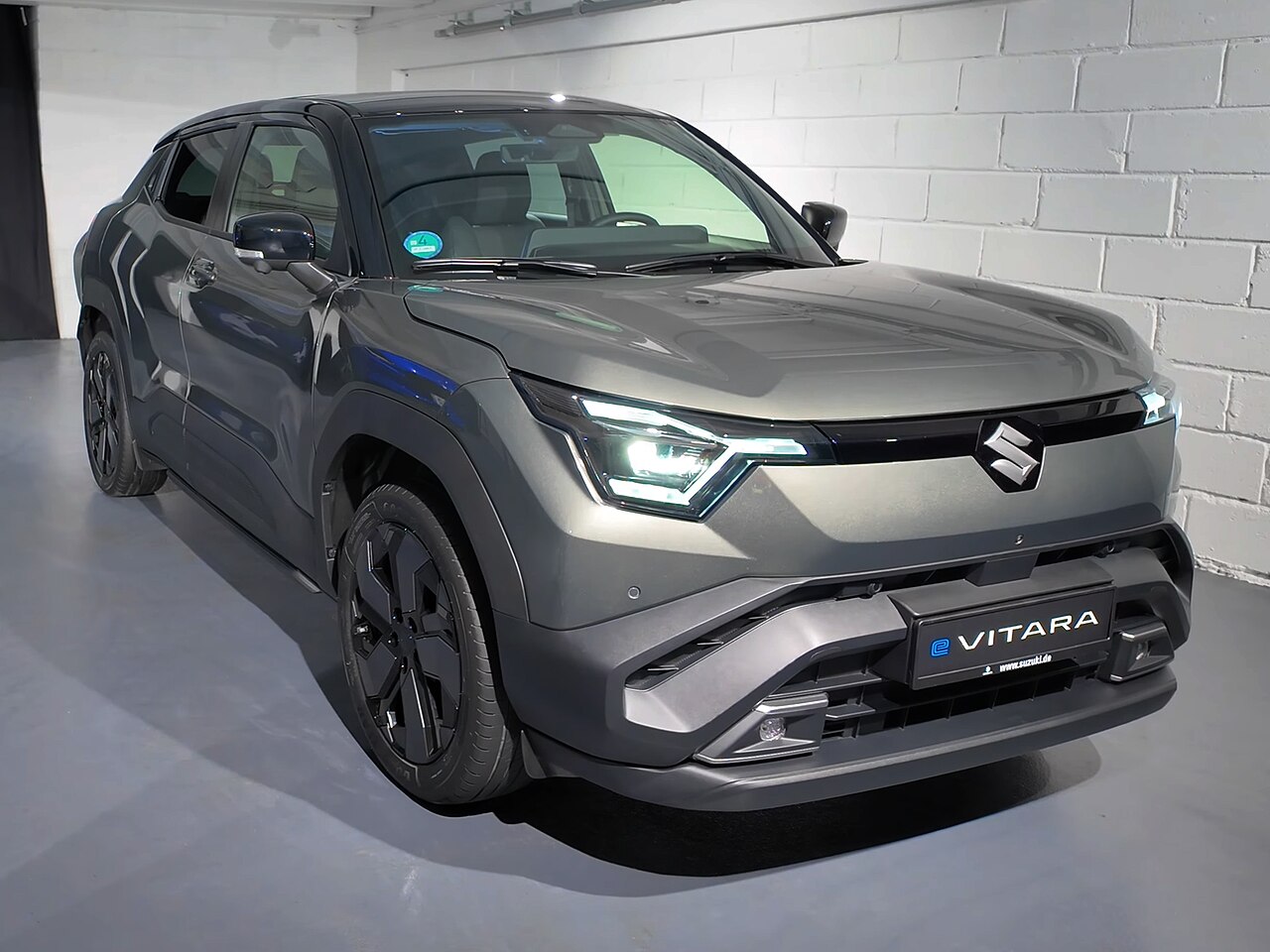
Hyundai India 2026: Bayon, Ioniq 6, and Three Smart Facelifts
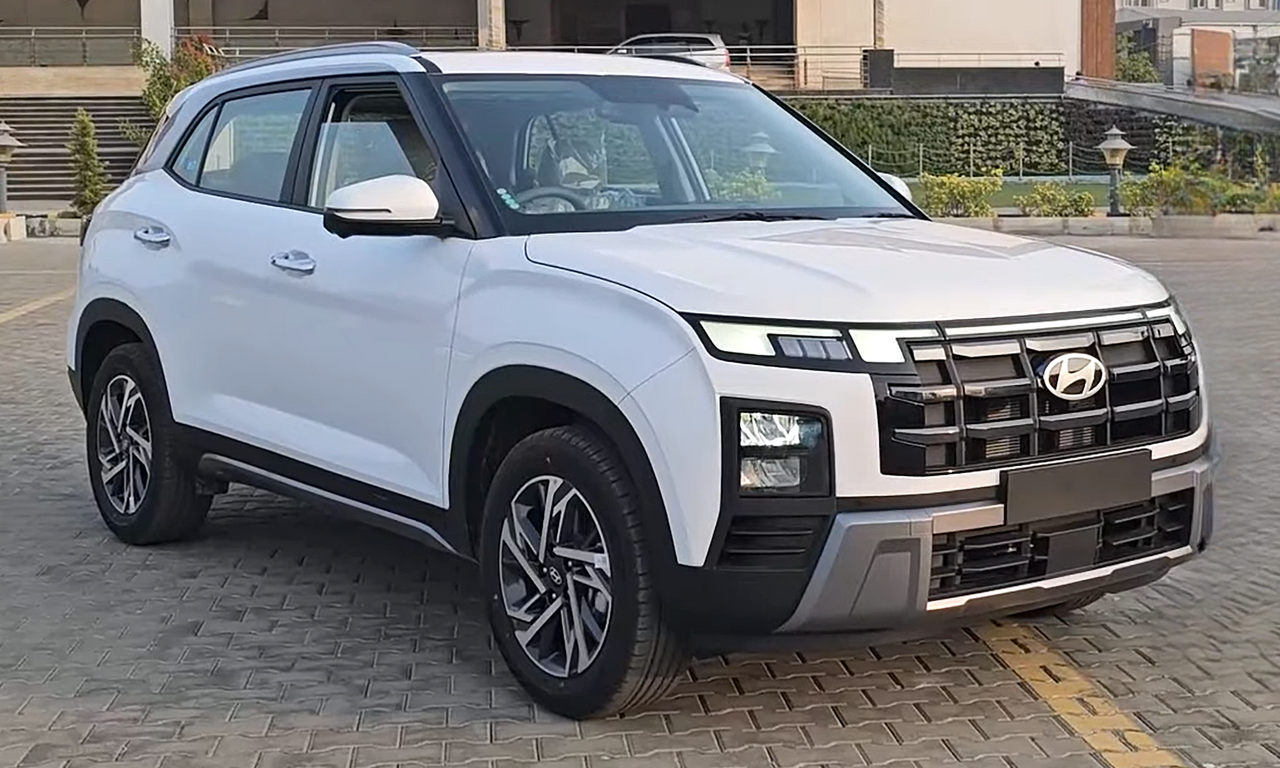 Photo: Wikimedia Commons — CC BY-SA 4.0
A note on figures: Prices and specs confirmed by the manufacturer are stated directly. Anything ahead of an official India launch is marked "expected" — an industry estimate, not a confirmed number.
Hyundai had an exceptional 2025 in India — the Creta Electric, an Alcazar facelift, and a new-generation Venue all landed cleanly. The brand enters 2026 with a different agenda: less about big-bang all-new launches, more about surgical precision. Three existing models get mid-cycle updates timed carefully to defend their segments, and two new nameplates arrive to fill gaps Hyundai has been watching competitors occupy.
The strategy makes sense. Hyundai's Indian lineup is broadly strong right now. What 2026 does is sharpen the edges — add an affordable EV entry point, plug the compact crossover gap with the Bayon, bring the Ioniq 6 sedan for the EV buyer who wants something different, and keep the Verna and Exter fresh against increasingly capable rivals.
The cars that define the year
Hyundai Bayon — Taking on the Fronx
The Bayon is Hyundai's answer to the Maruti Fronx — a compact crossover with a coupe-like roofline sitting just above hatchback money and just below proper SUV prices. Powered by a new 1.2-litre four-cylinder turbo-petrol that's more torquey than the 1.0-litre and more efficient than the 1.5-litre — and engineered to be hybrid-ready. Expected between ₹8 lakh and ₹14 lakh, Q2 2026.
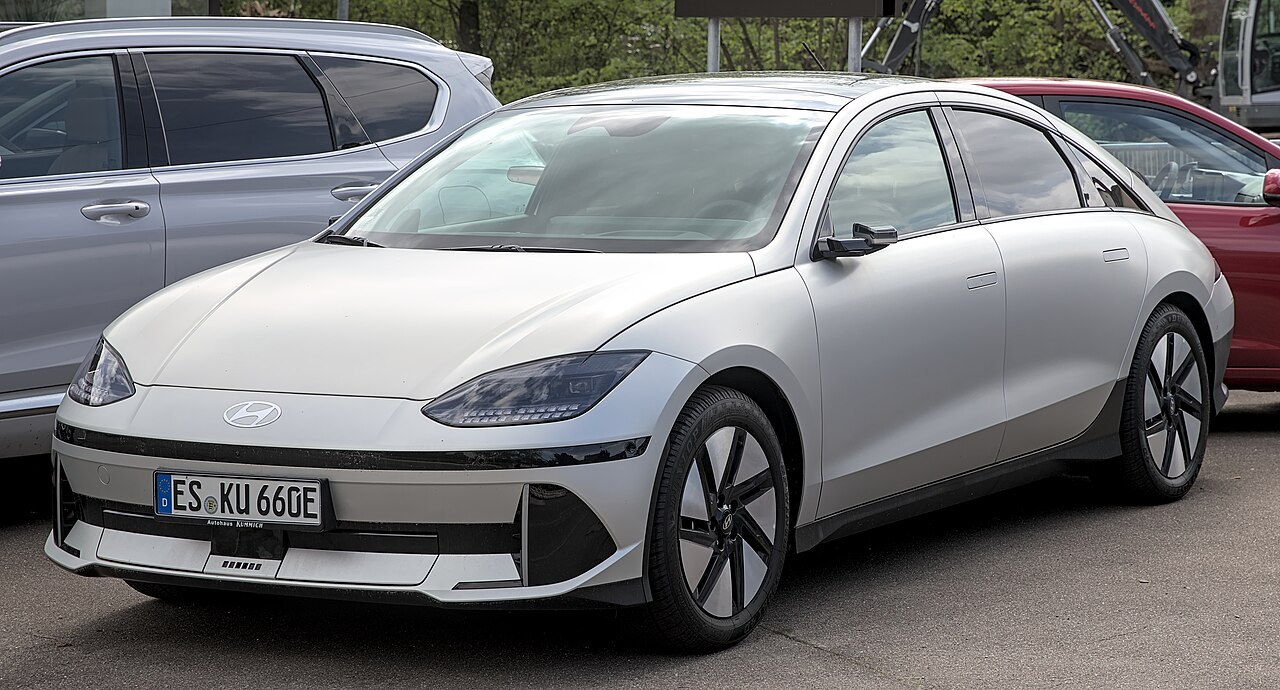
Hyundai Ioniq 6 — The Streamliner Arrives
The Ioniq 6 is one of the most aerodynamically efficient production cars in the world — a 0.21 Cd drag coefficient that helps it achieve exceptional real-world range. In India, expected in a single-motor rear-wheel-drive configuration with around 500 km of range, priced in the ₹40–50 lakh bracket. Nobody else is serving this exact market — electric sedan with this range and charging speed at this price.
Hyundai Verna Facelift — Sharper and Smarter
The Verna facelift arrives in Q2 2026 with a redesigned front and rear drawing cues from Hyundai's global Sonata, and a new curved dual-screen dashboard layout matching the new Venue. Engine options — 1.5-litre NA and 1.5-litre turbo-petrol — carry over, priced between ₹11 lakh and ₹18 lakh. It's not a dramatic change, but the Verna needs a fresh face to hold its own as the Skoda Slavia and Honda City improve.
Exter facelift: Android Automotive at ₹6 lakh
 Photo: Wikimedia Commons — CC BY-SA / public domain
The Exter facelift is more interesting than it sounds. The highlight is a new dashboard featuring a large touchscreen running Android Automotive OS natively — not Android Auto projection, but Google's operating system living in the car itself. That means Google Maps, Google Assistant, and compatible apps run independently without a connected phone. At Exter prices (₹6–9 lakh expected), this would make it one of the most technologically current cars at this price in India.
The Exter facelift is expected to be one of the most affordable cars in India running Google's Android Automotive OS natively.
Finally, the Ioniq 5 facelift — delayed from 2025 — is expected around mid-2026. The global update brought revised styling and battery improvements; the India version should follow suit, keeping the Ioniq 5 competitive against the BMW iX3 and Mercedes EQC both arriving this year. With these five models, Hyundai's 2026 approach is clear: defend what's working, close the gaps, and keep pushing on EVs.
- Bayon — New compact crossover, 1.2L turbo, ₹8–14 lakh, Q2 2026
- Ioniq 6 — Electric sedan, ~500 km range, ₹40–50 lakh, 2026
- Verna facelift — Curved dual screen, redesigned fascias, ₹11–18 lakh, Q2 2026
- Exter facelift — Android Automotive OS, ₹6–9 lakh, 2026
- Ioniq 5 facelift — Updated range and styling, mid-2026
Sources: Autocar India, CarDekho, CarQuestIndia, CarWale, 91Wheels. Images: Unsplash (free commercial use). Prices are expected/estimated ex-showroom unless stated.