Automatic vs Manual: Which Transmission Actually Suits You
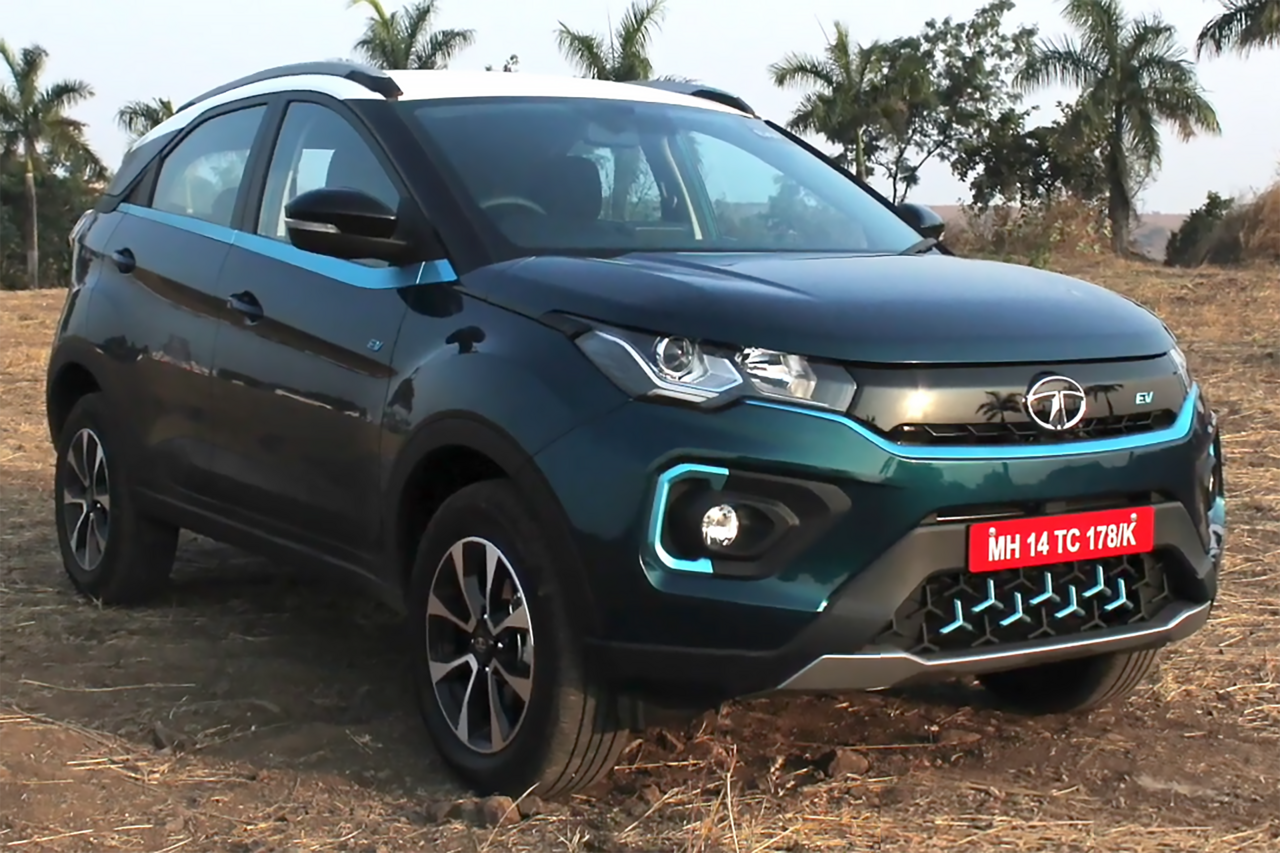 Photo: Wikimedia Commons — CC BY-SA 4.0
Automatic transmissions have gone from a rare, premium-only option to a mainstream expectation across almost every segment in India — even budget hatchbacks like the Alto K10 and Tiago now offer one. But "automatic" isn't a single technology anymore. AMT, CVT, DCT, and traditional torque-converter automatics all behave differently, cost differently to buy and maintain, and suit different driving patterns. Picking the wrong one for how you actually drive is a common and avoidable mistake.
Manual: still the mileage and cost leader
A traditional manual gearbox remains the most fuel-efficient option on highways — experienced drivers typically extract 2 to 4 km/l better mileage than the automatic variant of the same car, since the driver can optimise gear selection for the exact driving condition. Manuals are also the cheapest to buy, and by far the cheapest to maintain: clutch replacement, the most common manual repair, costs a fraction of what a CVT belt or DCT clutch-pack service runs.
The honest downside is traffic fatigue. Repeatedly engaging the clutch in the kind of stop-and-go congestion common in Delhi, Mumbai, or Bengaluru is physically tiring in a way that doesn't show up on a spec sheet but genuinely affects daily quality of life. Resale demand for manual cars is also gradually softening in major metros as automatics become the default expectation.
AMT: the budget-friendly automatic
An AMT is mechanically a manual gearbox with the clutch operation automated — which is exactly why it's so cheap. Manufacturers don't redesign anything; they bolt actuators onto an existing manual transmission.
Automated Manual Transmission uses electronic actuators to operate the clutch and shift gears, controlled by a Transmission Control Unit reading your speed, throttle, and engine RPM. Because there's no torque converter or fluid coupling sapping engine power, AMT fuel efficiency is nearly identical to the manual sibling — a genuine advantage over CVT and DCT. The tradeoff is shift quality: AMT gearshifts can feel noticeably jerky, particularly under quick acceleration, and this is worth test-driving specifically in traffic conditions before buying, since calibration quality varies meaningfully between models.
CVT: the smoothest daily-driving experience
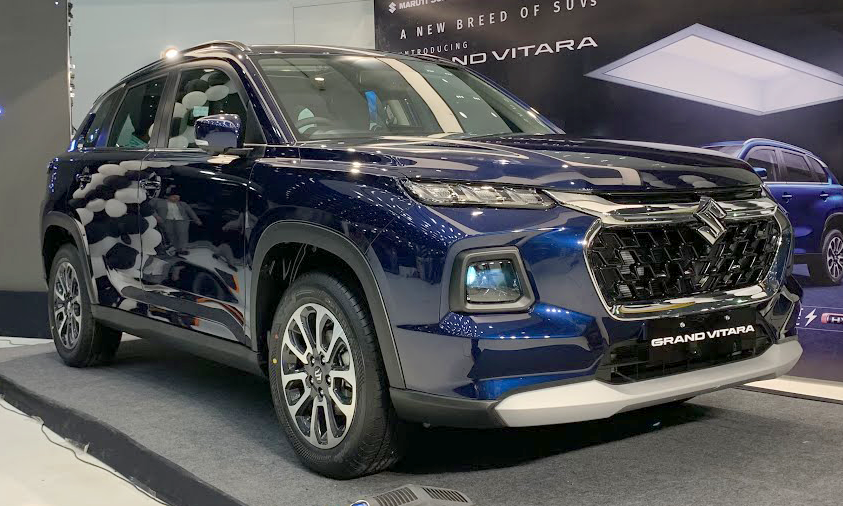
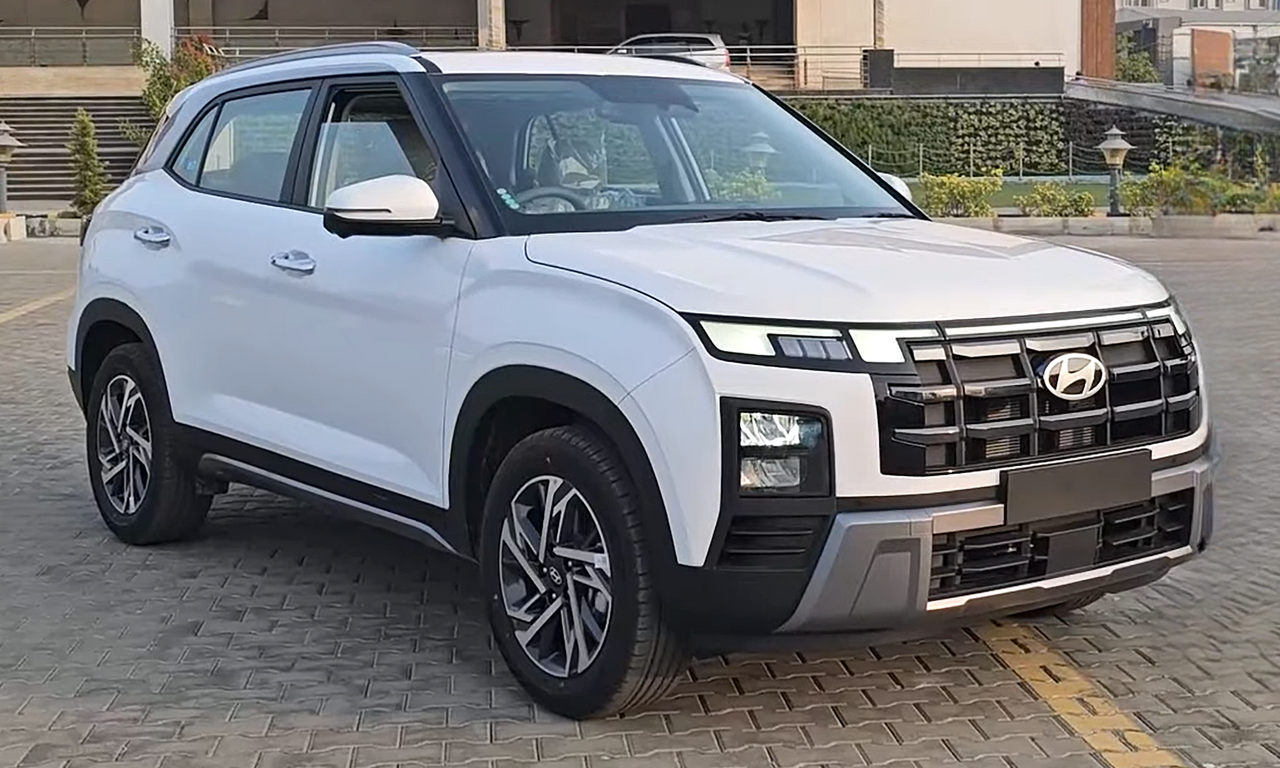
A Continuously Variable Transmission uses a belt-and-pulley system rather than fixed gears, which keeps the engine running in its most efficient RPM range continuously. This translates to genuinely strong city fuel efficiency and a seamless, jerk-free driving experience with no perceptible gear changes at all — the Honda City, Hyundai Creta (IVT), and Maruti Grand Vitara e-CVT are all well-regarded examples. The downside is higher repair cost if something goes wrong with the belt-and-pulley mechanism, and some drivers find the lack of distinct gear changes makes the car feel less engaging to drive.
DCT: for people who actually enjoy driving
A Dual-Clutch Transmission uses two separate clutches for odd and even gears, enabling near-instant gear changes and genuinely quick, engaging acceleration — the closest an automatic gets to feeling like a well-driven manual, without needing a clutch pedal. Models like the Hyundai Verna Turbo DCT and Kia Seltos GT-Line DCT are aimed at drivers who want that responsiveness. The costs are real, though: DCTs demand the highest maintenance budget of the group, and clutch-pack wear is a genuine concern in stop-and-go city traffic specifically — a DCT driven mostly on open highway roads tends to fare much better long-term than one used primarily for short, congested city trips.
Side-by-side comparison
| Type | Fuel economy | Cost premium | Best for |
|---|---|---|---|
| Manual | Best (highway) | None — baseline | Highway commuters, budget buyers, hilly terrain |
| AMT | Near-manual | ₹40,000–60,000 | Budget city buyers wanting clutchless driving |
| CVT | Strong (city) | ₹80,000–1.8 lakh | Smooth daily commutes, new/less confident drivers |
| DCT | Moderate | ₹80,000–1.8 lakh | Highway driving, enthusiasts who want engagement |
A practical decision framework
- Tight budget, comfortable with a clutch, mostly highway driving: manual remains the smartest financial choice — lowest purchase price, lowest maintenance, best mileage on open roads
- Budget-conscious but want to skip the clutch in traffic: AMT delivers the core convenience without a large price jump or mileage penalty
- Daily city commute, want the smoothest possible experience: CVT is purpose-built for exactly this — strong city efficiency, zero jerkiness
- Frequent highway driving and actually enjoy driving: DCT rewards you with genuine responsiveness, provided you're not putting it through daily stop-and-go abuse
One more thing worth factoring in: resale value. Maruti, Hyundai, and Toyota automatics currently lead in depreciation resistance across the market, meaning the transmission choice can also meaningfully affect what you get back when you eventually sell — not just what you experience while driving.
Sources: Zurich Kotak, Shriram General Insurance, Garware Hi-Tech Films, MotoMotar, Detailing Devils — current as of August 2026. Image: Wikimedia Commons (CC BY-SA / public domain).