Best Family SUVs Under ₹15 Lakh in India (2026)
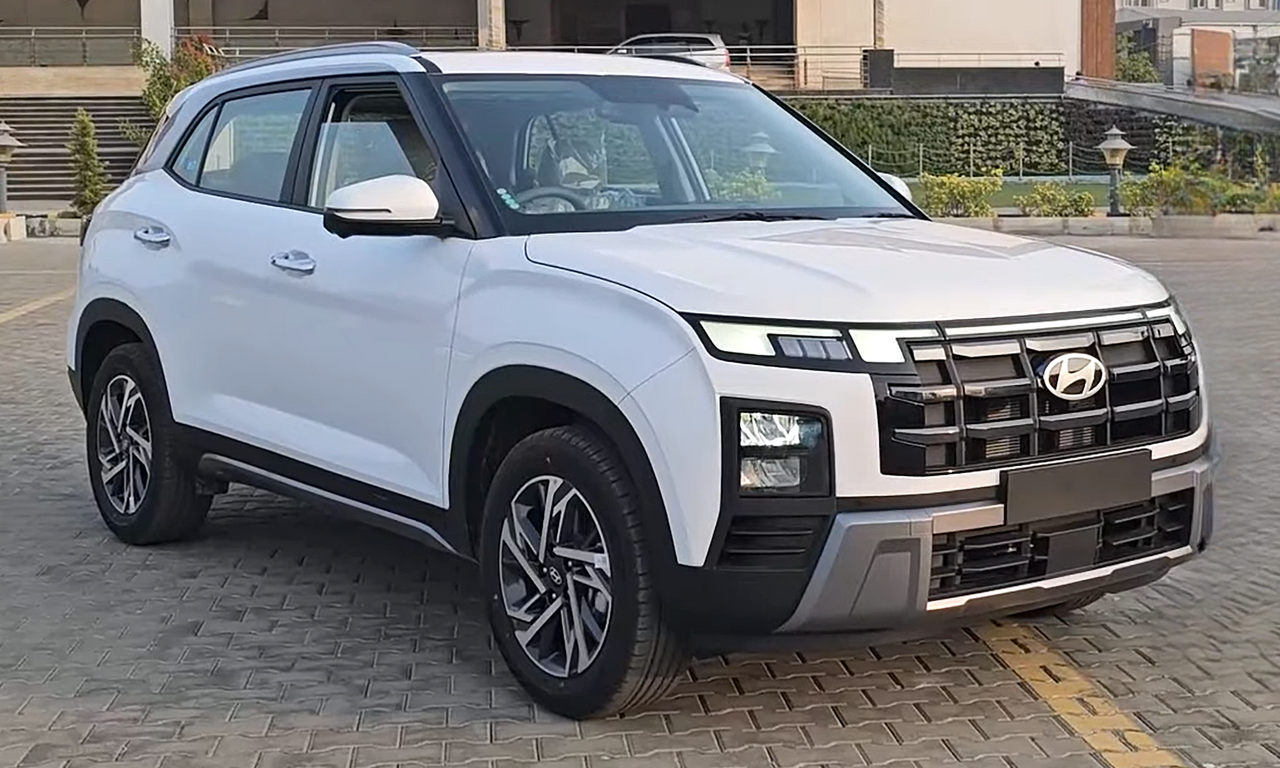 Photo: Wikimedia Commons — CC BY-SA 4.0
There's a familiar moment in almost every Indian family's car-buying journey: you start out looking at hatchbacks, find a genuinely good one, and then someone — a spouse, a parent, a colleague — says four words that change the entire search: "Why not an SUV?" And honestly, they usually have a point. Higher ground clearance for inconsistent Indian road quality, a commanding driving position, more visible road presence, and a sense of space a hatchback simply can't match.
The good news is that in 2026, all of this is genuinely available under ₹15 lakh — a segment that now includes features once reserved for luxury cars, like Level 2 ADAS and panoramic sunroofs, available on select trims well within this budget.
Two clear paths through this segment
Before the individual picks, it's worth understanding the segment's basic structure, because it splits cleanly into two distinct strategies:
- Path 1 — Top-spec compact SUV: spend your full ₹15 lakh budget on the fully-loaded top variant of a smaller SUV (Tata Nexon, Maruti Brezza, Mahindra XUV 3XO). You get the best safety kit, most complete features, and strongest engine option that platform offers — nothing held back for cost reasons.
- Path 2 — Entry-level mid-size SUV: spend the same budget on a base or mid variant of a larger SUV (Hyundai Creta, Kia Seltos). You get genuinely wider cabin space and stronger road presence, but at a lower trim level with fewer premium features than Path 1 would give you.
Understanding this distinction before walking into a showroom saves a lot of confusion — these aren't simply "better vs worse" options, they're different tradeoffs entirely.
Our Methodology Rankings weigh four factors: published Bharat NCAP/Global NCAP safety ratings, verified ex-showroom pricing at comparable trims, real-world fuel efficiency data, and standard-fit feature availability. No manufacturer has paid for placement in this list — recommendations reflect published specifications and pricing, not sponsorship.
The picks, by priority
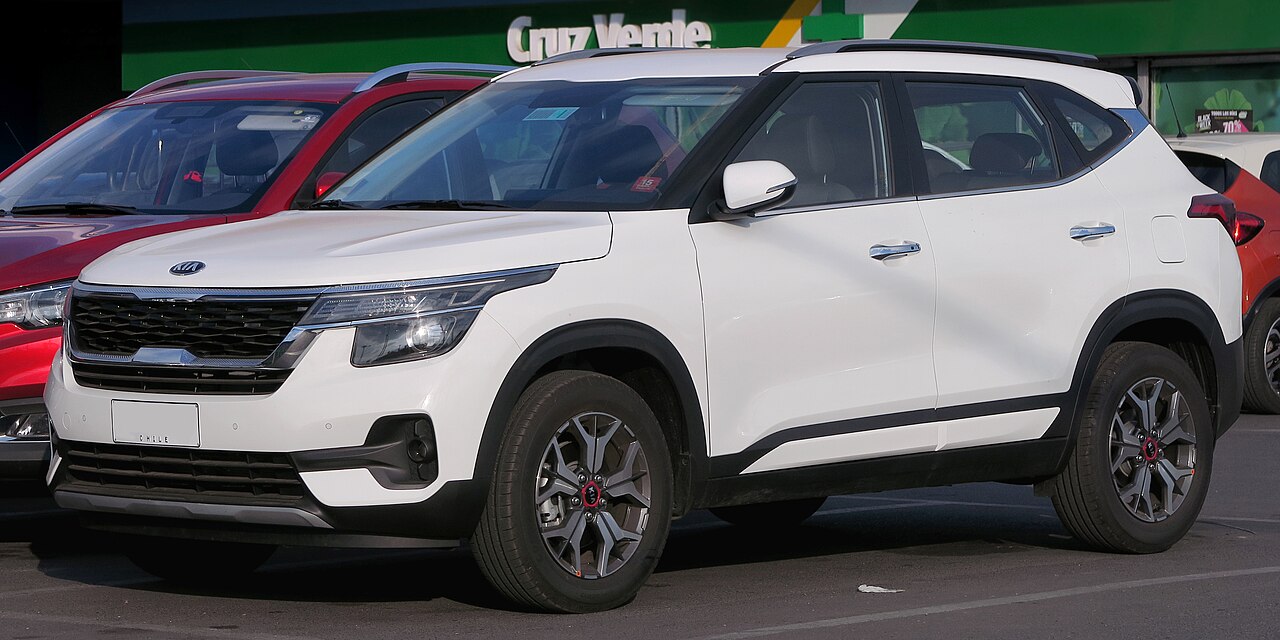
These two dominate the "Path 2" strategy above — refined engines, smooth automatics, and interiors that feel genuinely a segment above their pricing at entry trims. The Creta in particular is consistently cited as the segment's most premium-feeling cabin experience for the money, while the Seltos has recently earned a class-leading 5-star Bharat NCAP rating, addressing what used to be a common concern with the nameplate. Both offer engine choices spanning naturally aspirated petrol, turbo-petrol, and diesel.
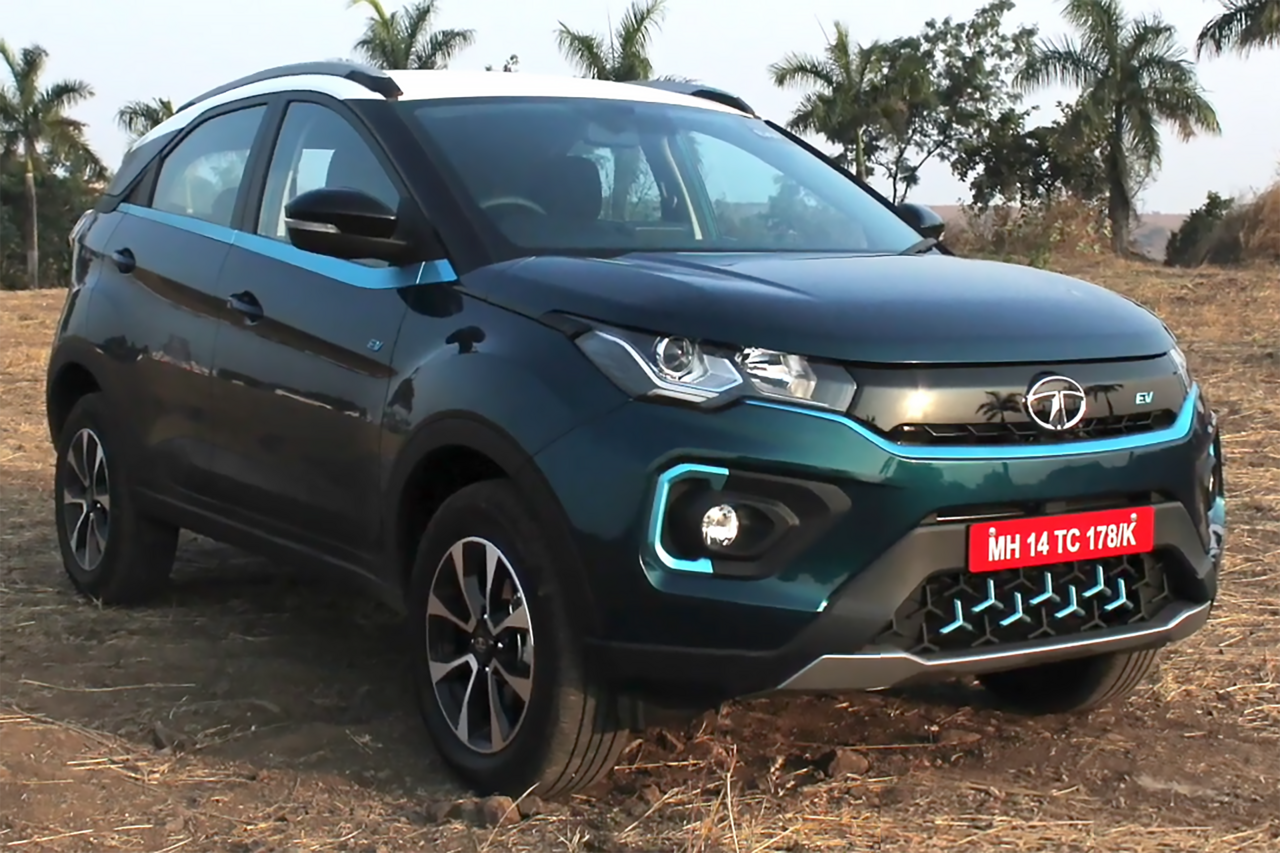
Both carry 5-star Bharat NCAP ratings and are the clear picks if crash safety is your top filter. The XUV 3XO stands out further with segment-leading ADAS features at its price point — a genuine rarity under ₹15 lakh, let alone under ₹10 lakh where its lower variants sit. The Nexon also offers a factory-fitted CNG variant, useful if running cost is a real concern alongside safety.
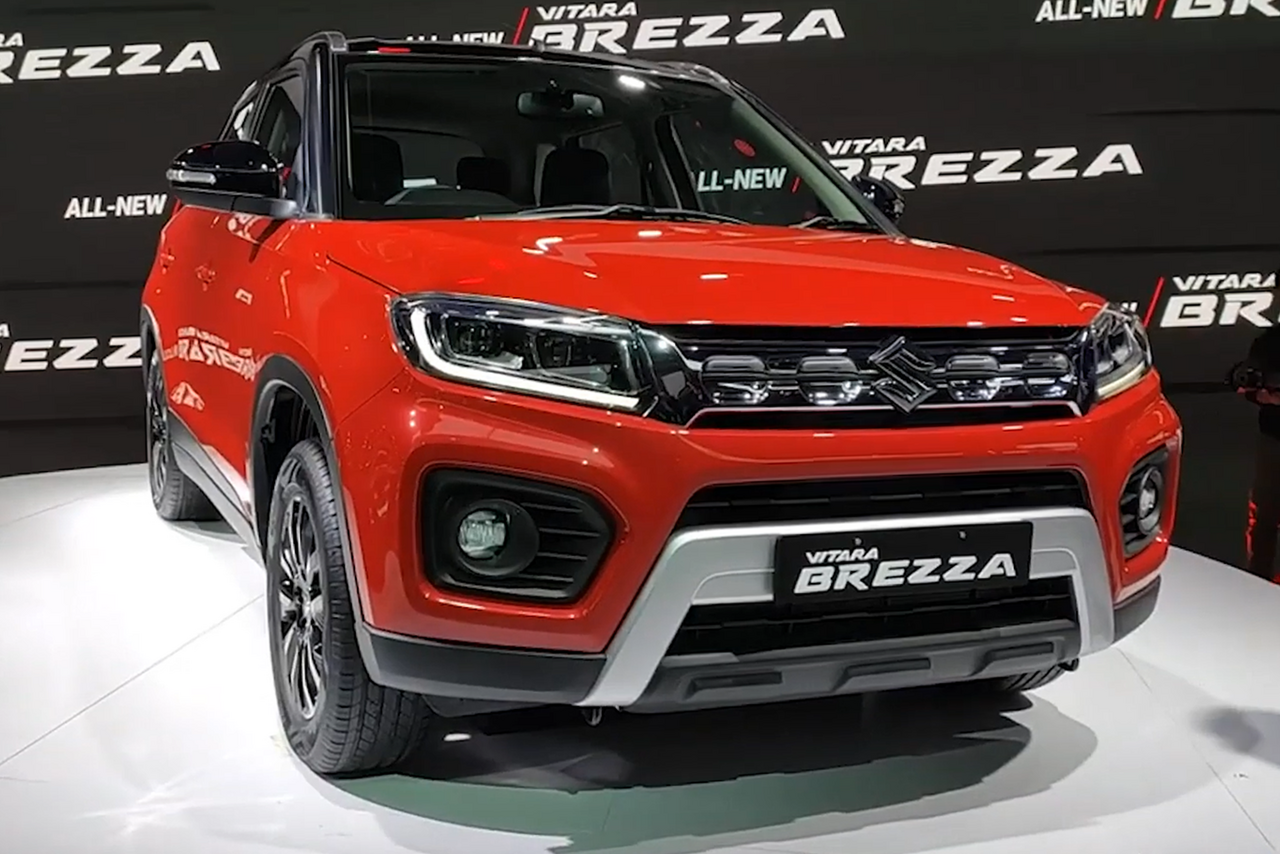
If ownership cost — fuel efficiency, maintenance, resale value — is the deciding factor over any other consideration, these two lead the segment. Maruti models consistently post the strongest resale value figures in the Indian market, and the Grand Vitara's mild-hybrid powertrain is genuinely difficult to beat on real-world fuel economy in this price band. Neither pushes the boundary on features the way a Seltos or XUV 3XO does, but for buyers optimising purely for long-term cost of ownership, this pair is hard to argue against.
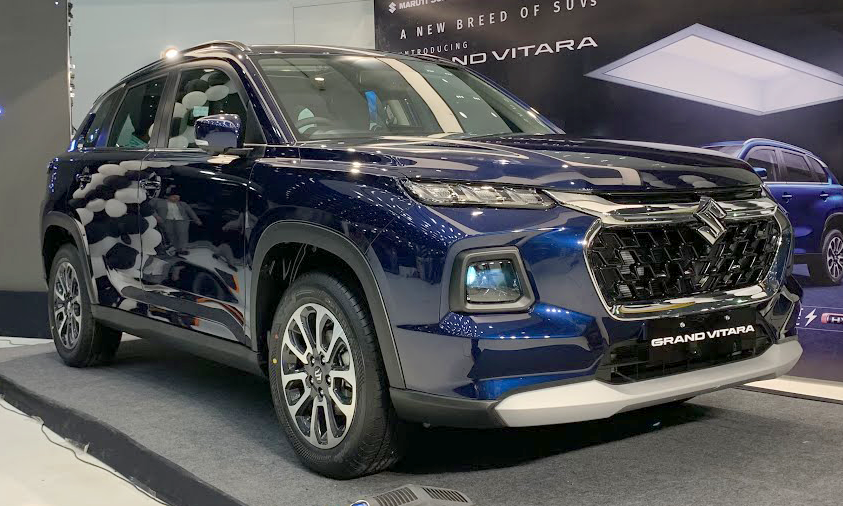
Sharing much of its platform and hybrid technology with the Grand Vitara above (a Toyota-Maruti joint development), the Hyryder brings Toyota's reliability reputation to the same efficient hybrid formula. For buyers who specifically want hybrid efficiency but prefer Toyota's brand and service network over Maruti's, this is the direct equivalent.
Honourable mentions worth cross-shopping
A few other names consistently surface in this segment depending on specific priorities: the Honda Elevate offers a genuinely tall 220mm ground clearance and is frequently cited as the smart alternative for buyers who want Creta/Seltos-style refinement with a slightly different brand relationship. The Skoda Kushaq and Volkswagen Taigun — mechanically related German-engineered SUVs — bring a noticeably different driving character with more European-tuned suspension, appealing to buyers who prioritise how a car handles over outright feature count. And the Mahindra Thar occupies its own lane entirely — genuine off-road capability that none of the others in this list attempt to match, at the cost of the family-practicality strengths the rest of this roundup focuses on.
The best SUV under ₹15 lakh depends entirely on which single factor you refuse to compromise on — safety, cabin space, running cost, or features. Nobody wins on all four simultaneously at this price point.
The bottom-line recommendation, by priority
- Want the safest option, no compromise: Tata Nexon or Mahindra XUV 3XO (5-star Bharat NCAP, both)
- Want the most premium-feeling cabin: Hyundai Creta
- Want the lowest long-term running cost: Maruti Brezza
- Want the best fuel efficiency without going full EV: Maruti Grand Vitara or Toyota Hyryder (both mild/strong hybrid)
- Want genuine off-road capability: Mahindra Thar (accepting the practicality tradeoff)
Whichever direction you lean, the honest advice that applies across this entire list: test drive your actual shortlist rather than deciding from spec sheets alone, compare on-road prices in your specific city (not just the ex-showroom figure — see our on-road pricing breakdown for why that gap matters), and verify current warranty terms before finalising, since these do change between model years.
Sources: Team-BHP, Cars24, AutoVenger, BestCarGuru, CarsInfos, MotoMotar, WeAssurer, Garware HiTech Films (rankings and pricing as of 2026). Image: Wikimedia Commons (CC BY-SA / public domain).