BMW i7: Inside BMW's Electric Flagship
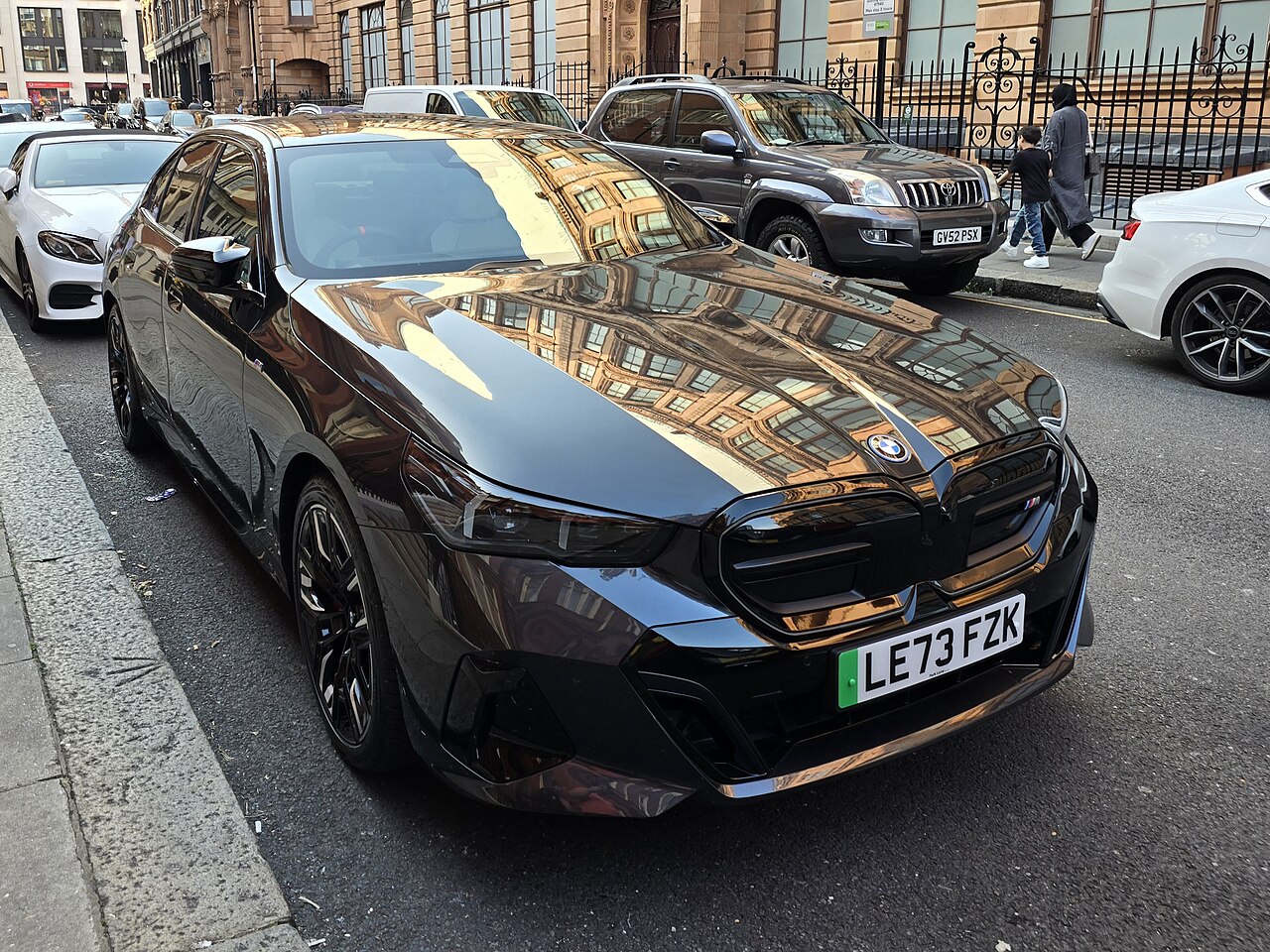
 Photo: Wikimedia Commons — CC BY-SA 4.0
Every luxury manufacturer eventually has to answer the question: what does an electric flagship actually look like? BMW's answer is the i7 — the fully electric variant of the 7 Series, sitting at the top of BMW's electric range above the i4 and i5. It isn't a stripped-down luxury car wearing a battery as an afterthought; it's built to be the most opulent thing BMW makes, which happens to also be electric.
A dual-motor layout tuned for effortlessness, not aggression
The i7 xDrive60 uses BMW's fifth-generation eDrive technology — highly integrated drive units at both the front and rear axle, each combining the electric motor, power electronics, and transmission into a single housing. The rear motor alone produces 313 hp, with the front unit adding 258 hp, for a combined 544 hp and 745 Nm of torque. That's enough for a 0-62 mph sprint of 4.7 seconds — genuinely quick for a car of this size and weight, though the i7's tuning philosophy prioritises effortless, silent power delivery over the theatrical urgency an M car aims for.
A 101.7 kWh battery, and genuinely fast charging
106 miles of range can be added in just 10 minutes on a suitable DC fast charger — turning even a short motorway stop into a meaningful top-up.
The i7's battery holds 101.7 kWh of usable energy, delivering a WLTP-rated range of 367 to 388 miles depending on specification. Home or destination AC charging tops out at 11 kW, while DC fast charging reaches up to 195 kW — enough to add roughly 106 miles of range in just 10 minutes, a figure that meaningfully changes the practicality calculation for long-distance travel in a car this size.
The rear seat is where the i7 actually differentiates itself
Where the i7 truly sets itself apart from every other electric sedan on the market is in the back seat — because for a meaningful share of 7 Series buyers globally, the back seat is where they actually spend their time in the car. A cinema-scale display can descend from the headliner, transforming the rear cabin into a private screening room during charging stops or while being driven. This is the kind of feature that has no equivalent conversation in the mainstream EV segment, and it's a deliberate signal about who BMW believes the i7 is really for.
The performance flagship above the flagship
Sitting above the standard i7 xDrive60 is the i7 M70 xDrive — BMW's electric performance flagship, targeting around 660 hp. It exists for the same reason BMW builds M versions of its combustion sedans: to prove that electrification doesn't have to mean giving up outright performance credibility, even at the very top of the range.
Positioned against the very top of the luxury EV market
| Segment position | Detail |
|---|---|
| Sits above | BMW i4 (3 Series-based), BMW i5 (5 Series-based) |
| Powertrain generation | Fifth-generation BMW eDrive |
| Signature feature | Rear-seat cinema display, descends from headliner |
| Range strategy | Large 101.7 kWh battery prioritising range over minimal weight |
The i7 makes a specific bet: that flagship luxury buyers switching to electric don't want a smaller, lighter, more efficiency-focused car — they want everything the combustion 7 Series already offered, with an electric powertrain added on top rather than built around compromises. Whether that bet is the right one for the segment's long-term direction remains an open question across the whole luxury EV category, but as a statement of intent, the i7 is unambiguous about which side of that argument BMW has taken.
Sources: BMW Group, Fleet News — figures reflect the i7 xDrive60 generation as documented in BMW's official specifications. Image: Wikimedia Commons (CC BY-SA / public domain); representative BMW model shown, as i7-specific press photography is not independently verifiable via Wikimedia Commons.