CNG Cars in India: Worth It or Not?
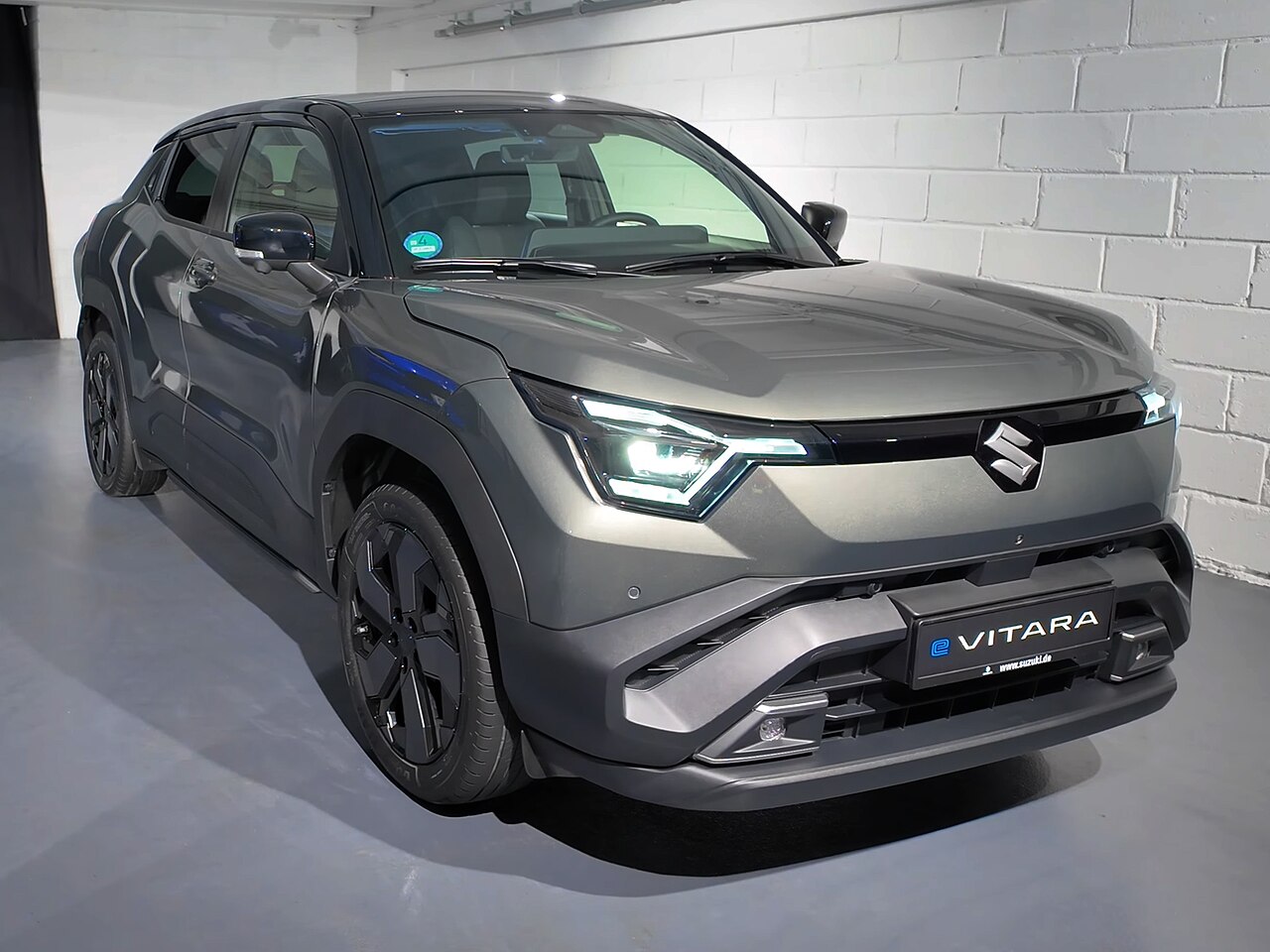
 Photo: Wikimedia Commons — CC BY-SA 4.0
While the industry conversation obsesses over electric vehicles, CNG has quietly become one of the most practical choices for cost-conscious Indian buyers in 2026 — driven by rising petrol prices, a shrinking small-diesel lineup, and genuinely reliable factory-fitted CNG kits from Maruti Suzuki, Tata, Hyundai, and Toyota. It's the "middle ground" option most EV-focused coverage skips entirely, despite being hugely relevant for anyone who drives a lot and wants predictable running costs without going fully electric.
The core math: how much do you actually save
The short version: a factory-fitted CNG car saves roughly ₹2 per kilometre over petrol, using representative 2026 fuel prices (Delhi CNG around ₹77/kg, Mumbai around ₹81/kg, petrol around ₹95/litre). But the upfront premium — typically ₹80,000 to ₹1,00,000 over the equivalent petrol variant — only pays back if you actually drive enough to make use of it.
For a city commuter driving 900 km a month, a factory CNG car saves approximately ₹1.11 lakh over petrol across five years of ownership, once fuel, maintenance, insurance, and resale value are all factored in.
At 1,500 km a month, expect roughly ₹2,500 in monthly savings — about ₹30,000 a year. Heavier drivers covering 3,000 km a month can save closer to ₹5,000 a month, or ₹60,000 annually. Recovery of the CNG premium typically takes 18 to 36 months depending on how much you actually drive — the faster your monthly distance, the faster the premium pays for itself.
The boot space problem — and how Tata solved it
The classic knock against CNG has always been boot space: a traditional single-cylinder installation eats most of the trunk, since the tank has to go somewhere. Tata Motors changed this meaningfully with twin-cylinder technology — splitting the conventional 60-litre tank into two 30-litre cylinders mounted under the boot floor, with the spare wheel winched to the underbody (similar to how large SUVs handle their spare). This preserves close to full boot space, and models like the Tata Altroz CNG and Punch CNG use this layout. If boot space matters for your use case, checking whether a specific model uses single-cylinder or twin-cylinder packaging is worth doing before you buy — it varies significantly between manufacturers and even between models from the same brand.
What you're trading away
- Power output: most CNG cars see a 10-15% reduction in power when running on gas mode compared to petrol mode — noticeable during overtakes, less noticeable in steady city driving
- Refuelling time and queues: waiting at CNG stations remains a genuine daily frustration in several cities, unlike the near-instant experience of a petrol pump
- Infrastructure outside major cities: availability can be inconsistent once you're outside CNG-strong states and metros — worth checking station density in your specific city and route before committing
- Boot space (single-cylinder models): still a real compromise unless the specific model uses twin-cylinder packaging
On the flip side, unlike an EV, CNG cars retain a petrol backup — when the CNG tank runs dry, the car simply switches to petrol rather than leaving you stranded, which meaningfully reduces range anxiety compared to going fully electric.
Popular CNG models by use case
| Need | Recommended model |
|---|---|
| Cheapest entry point | Maruti Alto K10 CNG / S-Presso CNG |
| Best CNG mileage | Maruti Wagon R CNG / Celerio CNG |
| Preserved boot space | Tata Altroz CNG / Punch CNG (twin-cylinder) |
| Family 7-seater | Maruti Ertiga CNG |
| High-mileage fleet/commute use | Maruti Dzire CNG / Ertiga CNG |
An underrated factor: resale value
With multiple state-level diesel bans and tightening BS6 emission norms accelerating diesel depreciation, used CNG cars have started commanding a genuine premium in the secondary market. A 3-year-old Dzire CNG or Wagon R CNG now tends to sell faster and at a stronger price than the equivalent petrol or diesel version, because secondary buyers are actively seeking immediate running-cost relief. For popular Maruti models specifically, CNG variants sometimes hold value even better than petrol — a detail that rarely factors into the initial buying decision but matters considerably at resale time.
Should you buy one?
The decision genuinely comes down to three checks: is there a CNG station within a reasonable distance of your home or regular route, does the specific model's boot space (single vs twin-cylinder) work for your family's needs, and does your realistic monthly driving distance justify the upfront premium. Get those three right, and CNG can genuinely save ₹25,000 to ₹60,000 a year for a typical urban Indian driver — a return few other single purchasing decisions can match.
Sources: Zurich Kotak, Team-BHP, Bajaj Mall, Cars24, MotoMotar, VahanBazaar.in, TimesBull — figures current as of August 2026 and vary by city and local fuel pricing. Image: Wikimedia Commons (CC BY-SA / public domain) — representative Maruti Suzuki model shown; exact CNG-variant press photos not independently verified.