Petrol vs Diesel vs Hybrid vs EV: What Actually Makes Sense in India
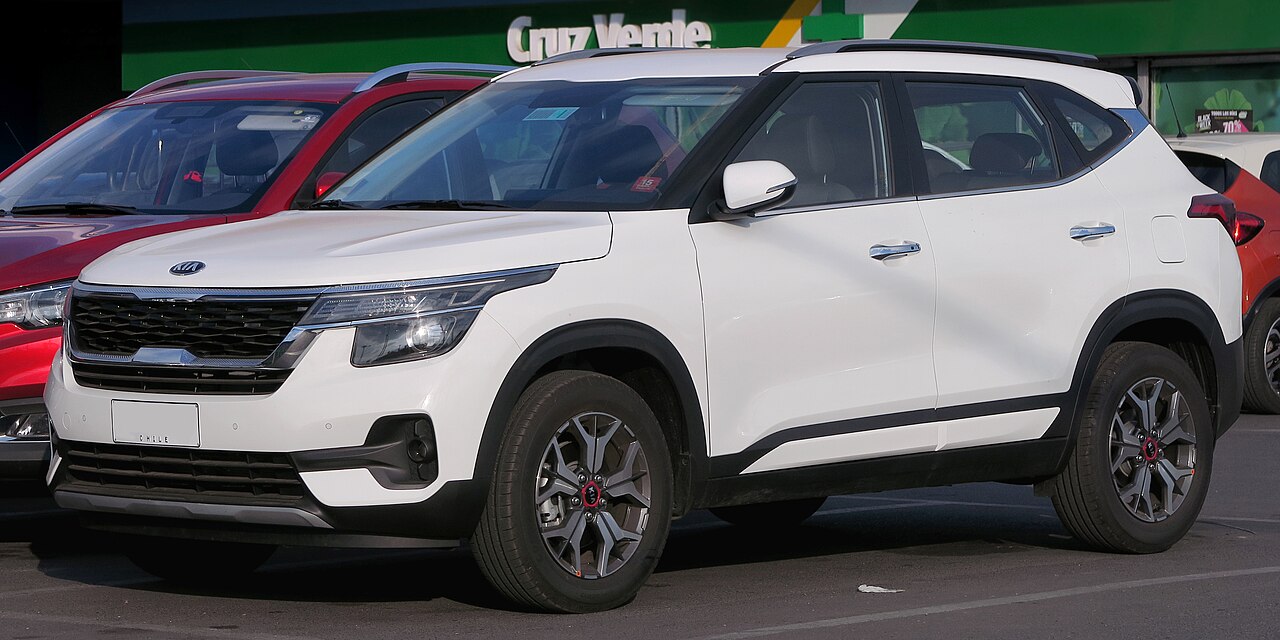
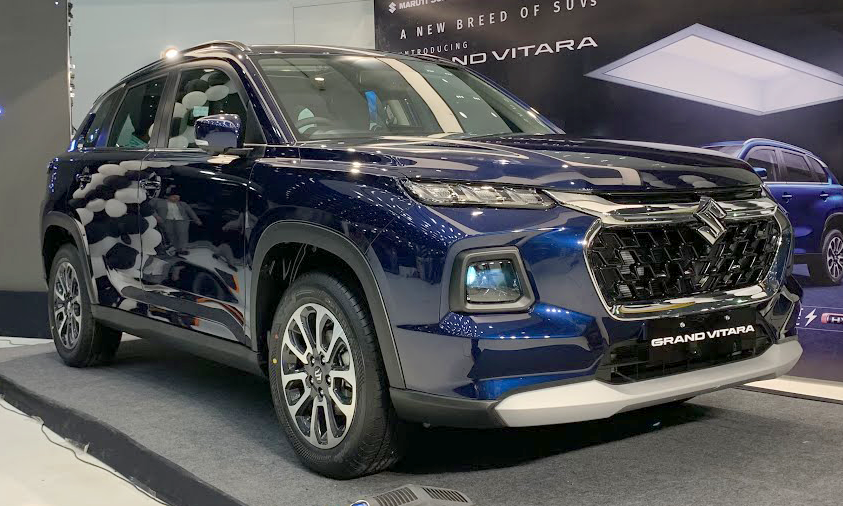 Photo: Wikimedia Commons — CC BY-SA 4.0
This is, by a wide margin, the single most common question anyone upgrading or buying their first car in India actually asks — and it's also the question that gets the least straightforward answer, because the honest response genuinely depends on how you drive, not on which powertrain is "best" in the abstract. A hybrid that saves someone a fortune in Bangalore traffic might make almost no financial sense for someone who does 80% highway driving between cities.
Rather than declaring a winner, here's what each option is actually good at, and who it genuinely suits.
Petrol: still the default for a reason
Petrol remains the most common choice in India for good reason — lower upfront purchase price than the equivalent hybrid or diesel variant, wide service network familiarity, and no range anxiety. Where petrol struggles is fuel efficiency in stop-start traffic, since the engine runs continuously regardless of speed, and Indian metro traffic is exactly the scenario petrol handles worst.
Petrol makes the most sense if: your annual mileage is moderate (under roughly 15,000 km/year), you split your driving between city and highway fairly evenly, and you want the lowest possible upfront cost with the simplest, most familiar maintenance profile.
Diesel: not dead, just niche now
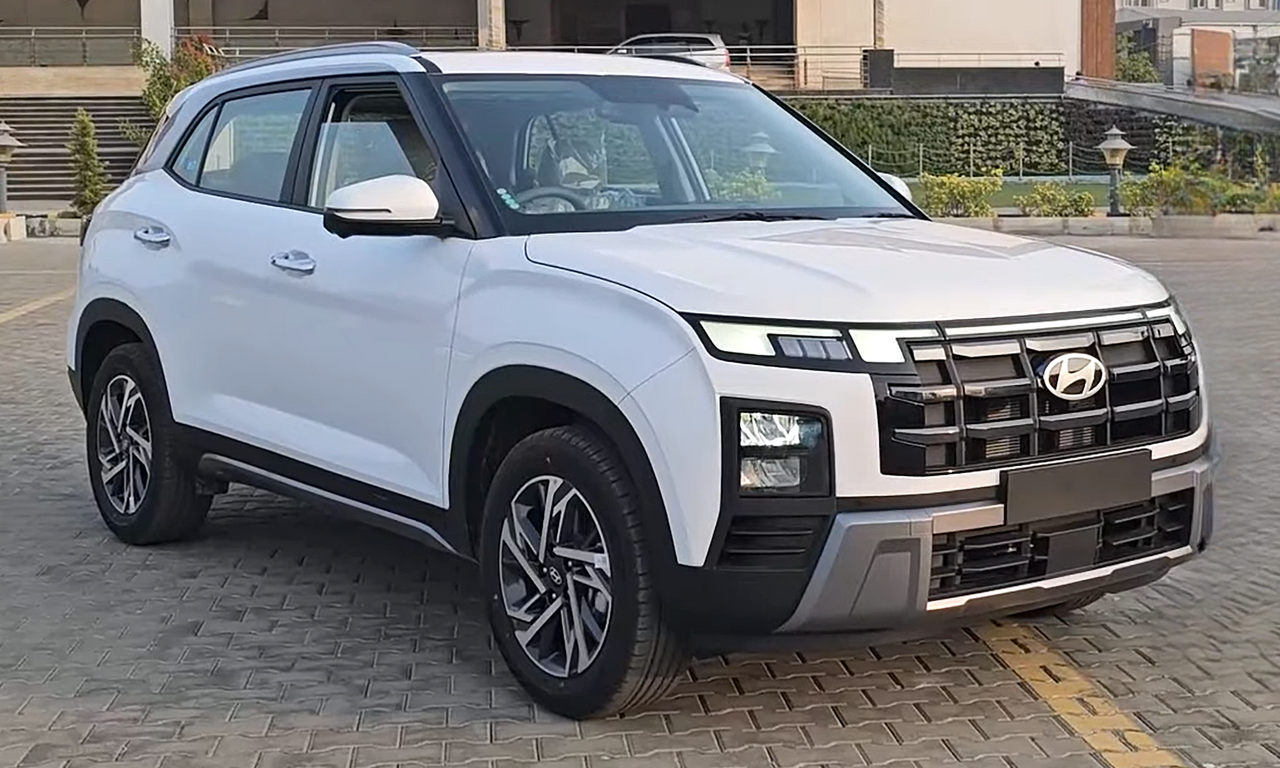
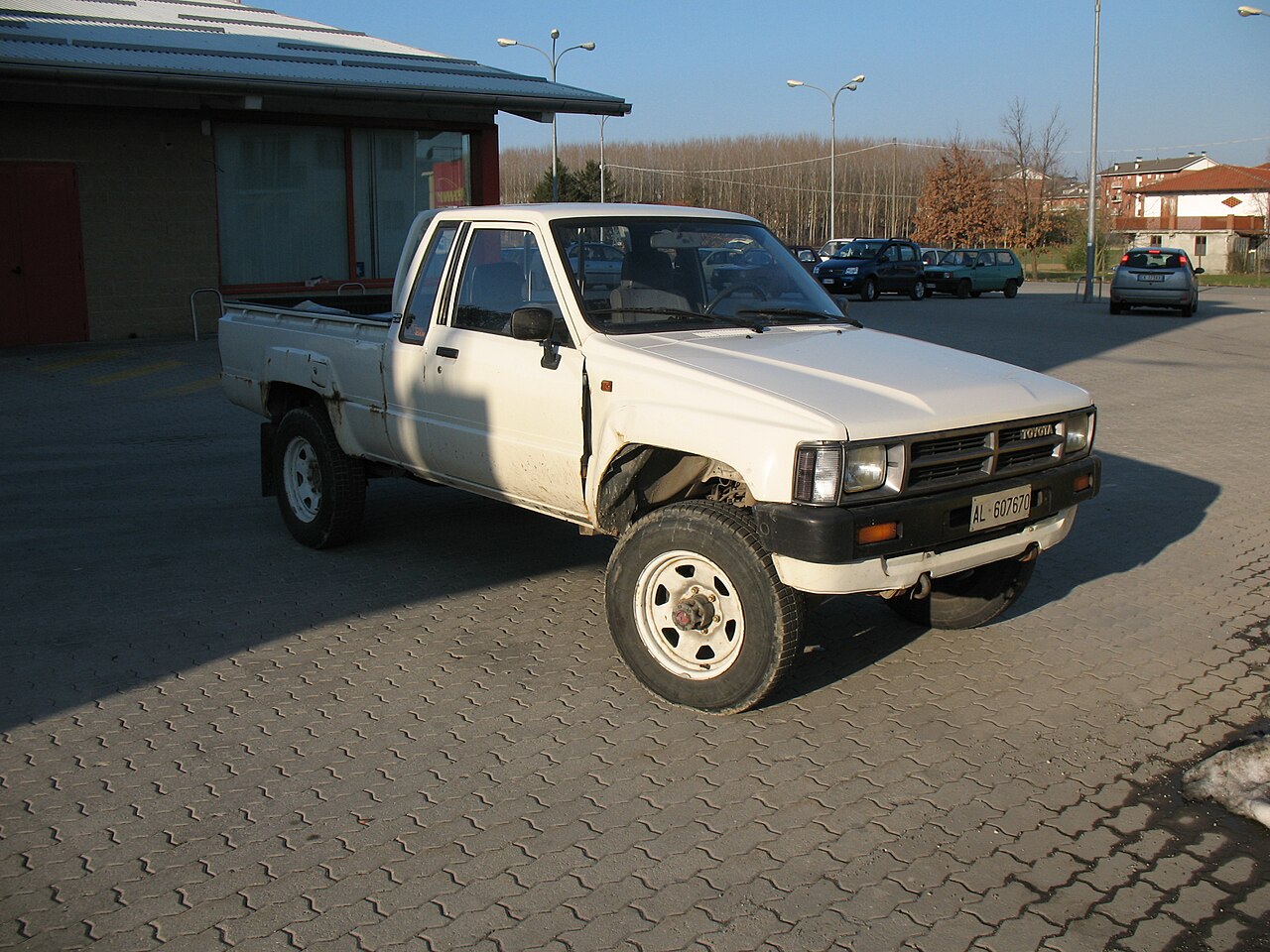 Photo: Wikimedia Commons — CC BY-SA 4.0
Diesel has lost significant ground over the last decade as manufacturers have pulled back diesel options from smaller cars, largely due to tightening emissions norms making small-diesel engines less cost-effective to produce. But diesel hasn't disappeared — it remains genuinely strong in one specific scenario: high-mileage highway driving. A diesel engine's torque characteristics and efficiency advantage compound the more consistent, sustained-speed driving you do, which is exactly the opposite of where hybrids shine.
Diesel's efficiency advantage grows the more highway kilometres you cover; a hybrid's efficiency advantage grows the more city traffic you sit in. Match the engine to your actual commute, not to what's currently trending.
Diesel makes the most sense if: you regularly drive long, sustained highway distances — sales reps, frequent intercity travellers, or families who take frequent long road trips rather than short city hops.
Hybrid: where the real efficiency gains live in city traffic
Photo: Wikimedia Commons — CC BY-SA 4.0
Self-charging "strong" hybrids — like the systems in the Toyota Innova Hycross, Maruti Invicto, and several Toyota/Maruti SUVs — never need to be plugged in. The electric motor and battery recharge automatically from braking and the petrol engine as you drive, and the car intelligently switches between electric-only and petrol-assisted power depending on load and speed. This is precisely what makes hybrids so effective specifically in traffic: at low speeds and during braking, the car often runs on electric power alone, which is exactly the driving condition where a petrol engine wastes the most fuel.
The tradeoff is upfront cost — hybrid variants typically command a real premium over the equivalent petrol trim, sometimes ₹5–8 lakh depending on the model. That premium needs several years of city-heavy driving to fully pay back in fuel savings.
Hybrid makes the most sense if: the majority of your driving is genuinely stop-start city traffic, you plan to keep the car long enough (typically 4+ years) for the fuel savings to offset the higher purchase price, and you want efficiency without the range anxiety or charging-infrastructure dependency of a full EV.
EV: the fastest-changing category, with real state-level financial upside
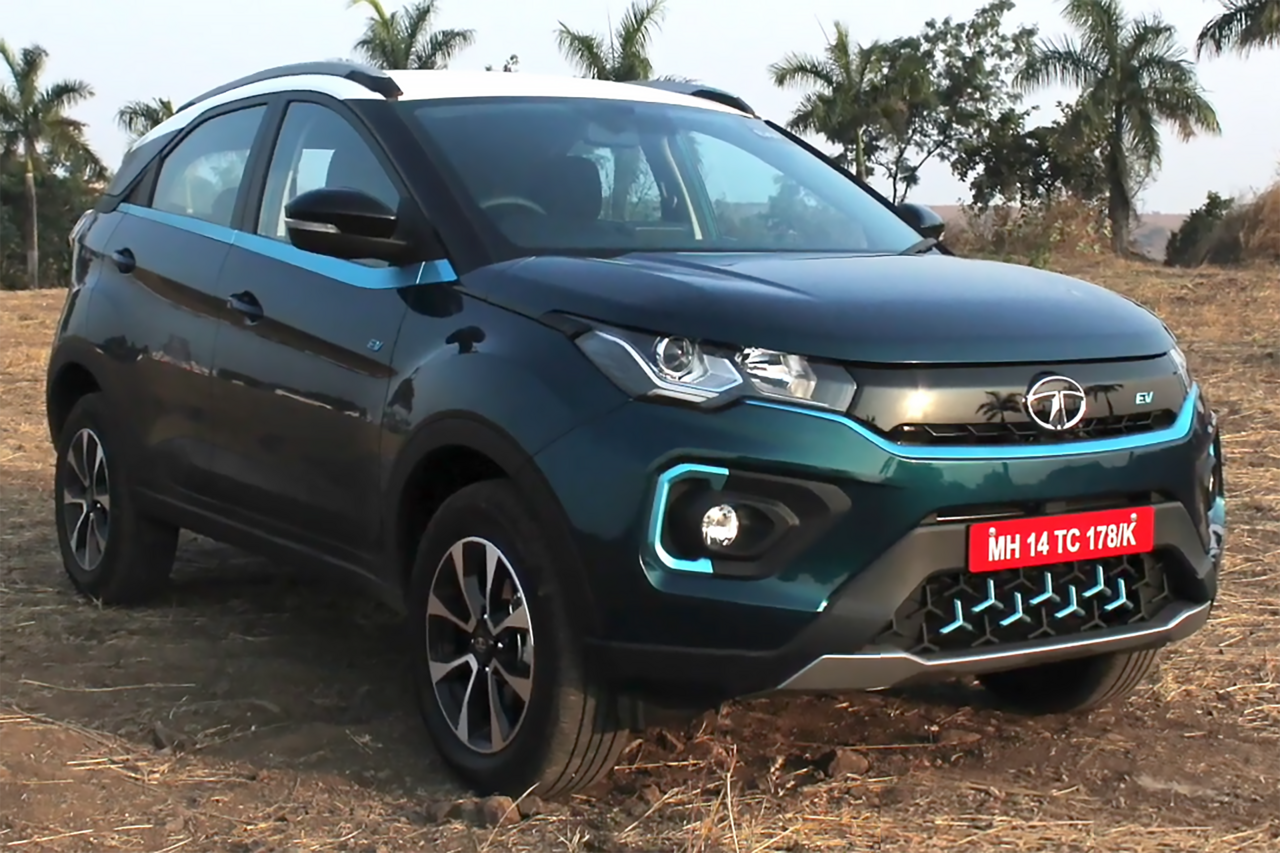
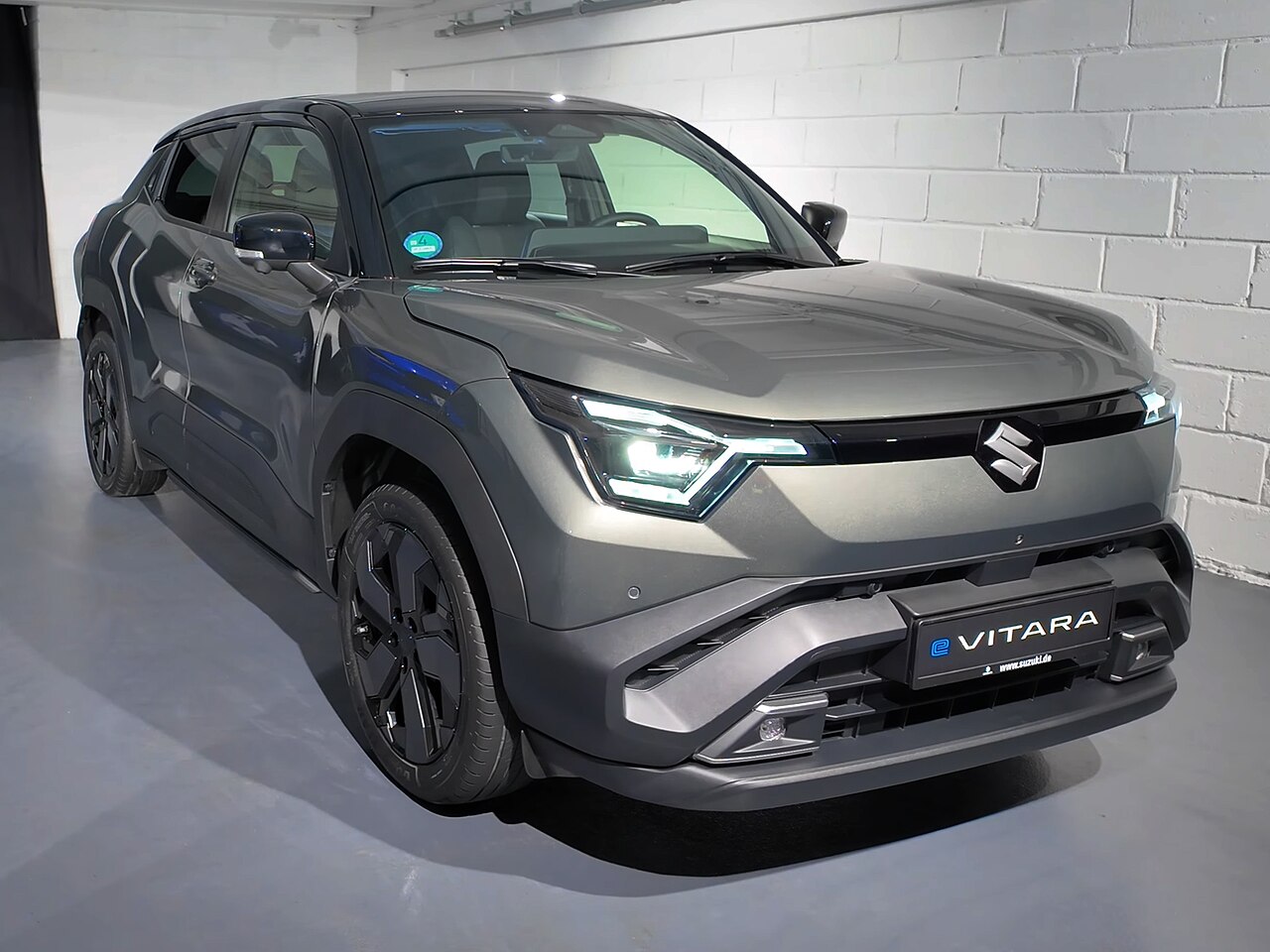 Photo: Wikimedia Commons — CC BY-SA 4.0
Electric vehicles have moved from a niche curiosity to a genuinely mainstream option across almost every price segment in India over the past few years — from sub-₹15 lakh compact EVs to premium electric SUVs from every major manufacturer. The core appeal remains straightforward: no petrol or diesel cost at all, dramatically lower running costs per kilometre than any combustion option, and — often overlooked — a substantial road tax waiver in most major states, including Delhi, Maharashtra, Karnataka, and Uttar Pradesh, where EV buyers pay effectively ₹0 in RTO road tax versus the 4–15% combustion buyers pay.
The genuine limitations remain charging infrastructure (improving fast, but still uneven outside major cities) and range anxiety on long, unplanned road trips. For a primarily urban, single-city driving pattern with home or workplace charging access, these limitations matter far less than they did even two or three years ago.
EV makes the most sense if: your driving is predominantly within one city or a well-connected metro region, you have reliable access to home or workplace charging, and you want to minimise running costs and take advantage of state-level tax incentives that combustion buyers simply don't get.
A simple decision framework
| Your driving pattern | Best-fit powertrain |
|---|---|
| Mixed city/highway, moderate annual mileage | Petrol |
| Frequent long highway distances | Diesel |
| Heavy city/stop-start traffic, keeping car 4+ years | Hybrid |
| Mostly single-city driving, home/work charging available | EV |
The honest closing point: none of these is a universally "correct" choice — the right answer is genuinely about matching the powertrain to your actual commute rather than to whichever category is generating the most headlines that year. A hybrid bought by someone who does 90% highway driving will likely never earn back its price premium; an EV bought by someone without reliable charging access will create daily friction no brochure number can offset. Be honest about your real driving pattern first, and the powertrain choice usually becomes obvious.
Sources: Team-BHP, CarWale, CarDekho, industry mileage data as commonly cited across Indian automotive publications (2026). Image: Wikimedia Commons (CC BY-SA / public domain).