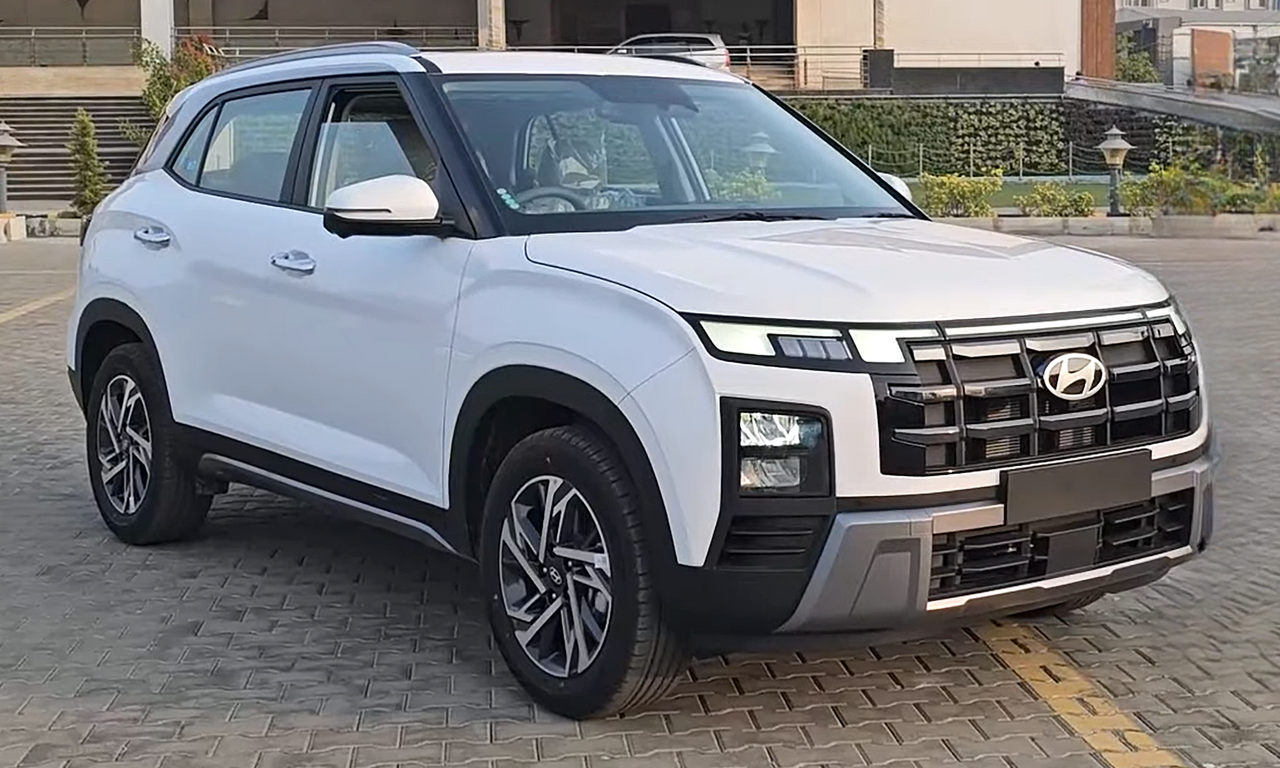
Used Car Buying Checklist: What to Check Before You Pay
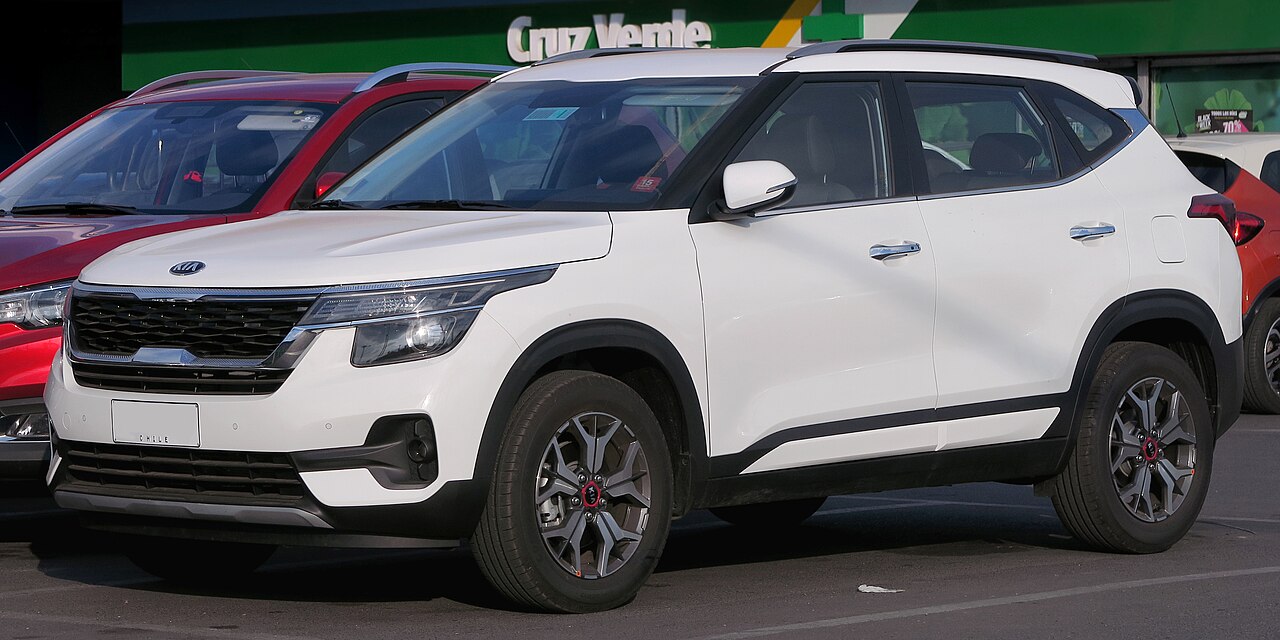 Photo: Wikimedia Commons — CC BY-SA 4.0
India's used car market is growing fast, and for good reason — a well-chosen used car can deliver most of what a new one offers at a fraction of the price. But it's also a market where the seller almost always knows more than the buyer, and where the gap between "looks fine" and "is actually fine" can cost you lakhs if you get it wrong. This checklist covers everything worth checking before you hand over a single rupee — documents, physical inspection, and the scams that catch out otherwise careful buyers.
The documents that matter — check these first
Before you even look at the car itself, the paperwork tells you most of what you need to know:
- RC (Registration Certificate) — must be original, not a duplicate. Match the chassis and engine numbers stamped on the physical car against what's printed on the RC. A mismatch is a serious red flag — walk away.
- Insurance — check it's valid, and specifically ask about claim history. Multiple claims, especially major ones, usually indicate past accidents that may not be visible on a casual inspection.
- PUC certificate — a valid Pollution Under Control certificate should be current, not expired.
- Loan closure / hypothecation status — if the RC shows hypothecation, the car is still under an active loan. You cannot legally take ownership until the bank issues a closure certificate (Form 35). Never accept "the loan is almost paid off, we'll sort it after" — this is one of the most common scams in the market.
- NOC (No Objection Certificate) — required if the car is registered in a different state and you plan to re-register it locally.
- Service history — ideally a stamped booklet or digital service records. This does double duty: it proves maintenance was kept up, and lets you cross-check the odometer reading against logged service intervals.
Verify everything independently — don't just trust the seller
The parivahan.gov.in e-challan portal gives you a pan-India list of pending traffic challans in under a minute — and unpaid challans transfer to you along with the car, not the previous driver.
Two free government tools are worth using before you pay anything: the Vahan portal (parivahan.gov.in) or the mParivahan app let you independently check registration details, hypothecation status, and pending challans against the vehicle's registration number — rather than relying entirely on what the seller tells you. This single step catches a meaningful share of documentary scams before money changes hands.
The three physical red flags that matter most
| Red flag | What it signals |
|---|---|
| Mismatched paint or uneven panel gaps | Past accident repair — check under good natural light, not showroom lighting |
| Odometer reading inconsistent with interior wear | Possible odometer rollback — cross-check against service records and pedal/seat wear |
| Unclear, duplicate, or altered RC | Serious legal risk — walk away rather than negotiate around it |
Odometer rollback deserves special attention since it's one of the most common scams in India's used car market. To catch it, cross-check the displayed mileage against logged service records (each entry records the kilometre reading at that visit), and physically inspect wear points — driver's seat bolster, steering wheel shine, gear knob polish, and pedal rubber should all roughly match the stated distance. A car showing 40,000 km with heavily worn pedals and a shiny-smooth steering wheel is telling you something the odometer isn't.
RC transfer: don't skip this, and don't delay it
The sale isn't legally complete until the RC is transferred to your name. Skip this and the previous owner remains legally liable for any challans, accidents, or violations involving the car — while you, practically speaking, can't claim insurance or resell it cleanly. The Motor Vehicles Act mandates completing this within 14 days of purchase. The process runs on Forms 29 and 30, submitted at the RTO along with the required documents above. If the car came from another state, factor in the extra NOC step (Form 28) from the original RTO before you can re-register locally.
Cash vs loan: which makes more sense
Used-car loan interest typically runs 11-14%, meaningfully higher than new-car loan rates. If you can comfortably pay cash without depleting your emergency buffer, it works out cheaper overall since you avoid that interest entirely. If cash payment would leave you financially stretched, a loan preserves liquidity — worth the extra cost for the flexibility, particularly if you don't have a strong cash cushion elsewhere.
Practical negotiation tips
- Use a fair-market-value tool (like Orange Book Value) before negotiating, so you're not anchoring purely on the seller's asking price
- Any inspection flaw you find is legitimate negotiating leverage — use it
- Never pay a token advance without signed paperwork, and be wary of "too good to be true" pricing
- Consider buying from certified platforms (Cars24, Spinny, CarDekho Gaadi and similar) if you want buyer guarantees, refurbishment reports, and a return window — this trades a small price premium for meaningfully reduced risk
- End-of-month and end-of-financial-year (before March) periods often see sellers and dealers more willing to negotiate, as they work toward clearing inventory or hitting targets
The overarching principle: a used car is not just metal and rubber — you're taking on its entire legal and financial history the moment you buy it. Spending a few hours on documentation and inspection before you pay is dramatically cheaper than untangling a hypothecation dispute, a rolled-back odometer, or an unpaid challan after the fact.
Sources: Garware Hi-Tech Films, Ride N Repair, MotorIQ, VahanBazaar.in, CarArth, AutoDukan — current as of August 2026. Image: Wikimedia Commons (CC BY-SA / public domain).