Why New Cars Got So Expensive: A Global Explainer
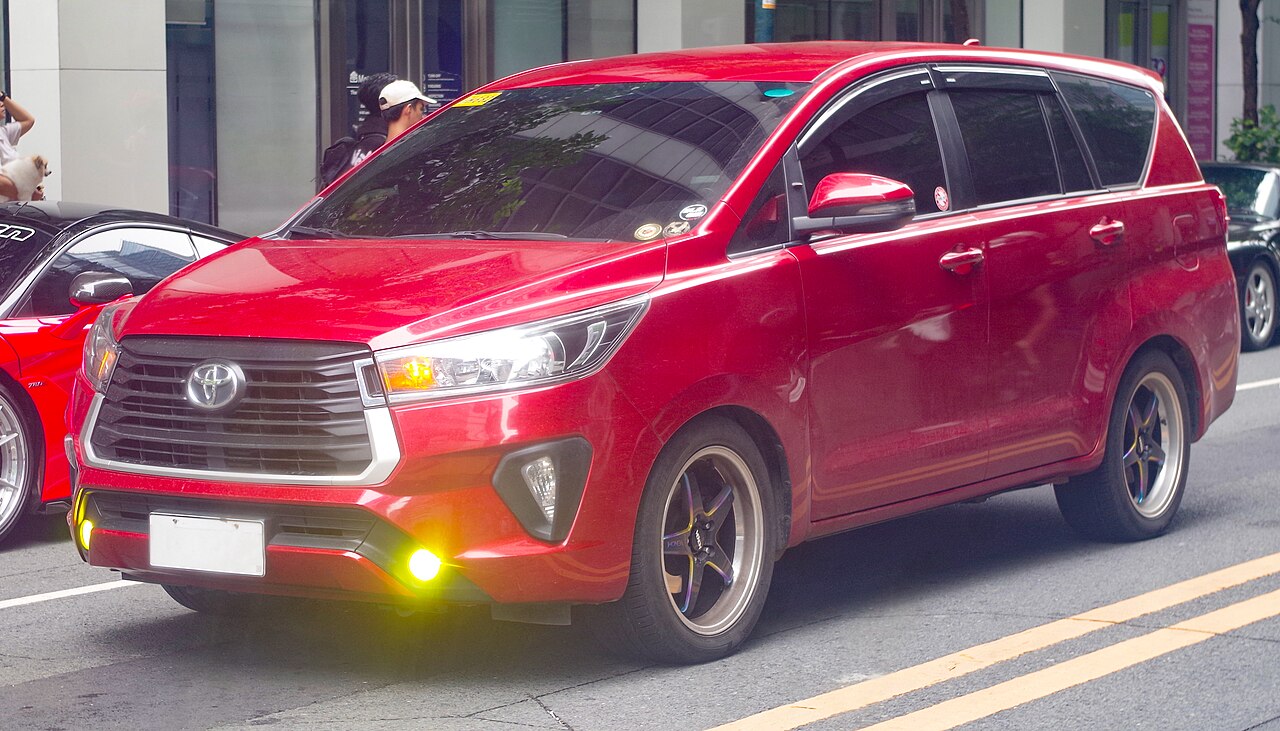
 Photo: Wikimedia Commons — CC BY-SA 4.0
In September 2025, the average transaction price for a new car in the United States crossed 0,000 for the first time in history. Around the same time, the average new car price in the UK passed £39,000. Neither number has meaningfully come back down since. If it feels like new cars have gotten dramatically more expensive in a short window, that's not a perception problem — it's a real, measurable shift, and it's driven by a handful of overlapping structural causes rather than any single culprit.
Cause 1: Tariffs, added directly onto the sticker price
A 25% tariff on imported vehicles and covered auto parts, introduced in the US in 2025, has added an estimated ,600 on average to the cost of a new vehicle, according to Cox Automotive. Modern cars are genuinely global products — even a vehicle assembled domestically often contains electronics, sensors, and drivetrain components sourced from multiple countries — so tariffs ripple through pricing even on "domestically built" models. The same pattern has played out in the UK and Europe, where similar trade tensions have pushed transaction prices to their own record highs.
Cause 2: A structural chip shortage, but not the one you remember
The 2022 semiconductor shortage that halted production lines has largely eased. What's replaced it is a different kind of chip squeeze — one caused by artificial intelligence, not the automotive industry itself.
The pandemic-era chip shortage that forced automakers to idle factories is old news by 2026 — but a new memory-chip squeeze has emerged in its place, and it's not automotive in origin at all. AI data centres now consume an estimated 70% of global memory chip output, competing directly with automakers for the same manufacturing capacity. Toyota's early adoption of newer memory chip generations (LPDDR5/6) has partly insulated it from these price shocks, and its resulting cost advantage is emerging as something of an industry template other manufacturers are now trying to copy.
Cause 3: The used car market is still paying for 2020-2023
This one surprises people: current new-car production is roughly stable, so why do used car prices keep climbing too? The answer lags by several years. A used car sold today was typically built somewhere between three and six years ago — meaning today's used inventory is really a reflection of new-vehicle production from 2020 through 2023, exactly the years the original chip shortage crippled output. Fewer cars built then means fewer three-to-six-year-old used cars available now, regardless of how many new vehicles are rolling off lines today. Leasing penetration, which dropped sharply during the shortage years, has stayed stuck around 20% of new sales since — meaning fewer off-lease vehicles are returning to dealer lots as used inventory too. US used vehicle inventory hit its lowest recorded level in March 2026, even with strong buyer demand.
Cause 4: Buyers keep choosing bigger, pricier vehicles
| Driver | Effect on average price |
|---|---|
| Consumer shift from sedans to SUVs/trucks | Pushes the average transaction price up regardless of any single model's sticker |
| Mandatory safety & emissions technology | Adds thousands of dollars in production cost per vehicle |
| EV battery and software investment | Billions in R&D spending factored into pricing across the industry |
| Longer loan terms (up to 84 months) | Masks true cost by lowering the monthly payment figure, not the price itself |
Part of the price increase isn't really about cost pressures at all — it's about what people are choosing to buy. As Cox Automotive's Erin Keating put it, buyers have consistently "voted with their wallets" toward bigger, more feature-laden vehicles even as prices climbed, pulling the market average upward independent of inflation or tariffs. The average monthly car payment in the US now exceeds 70, on loan terms increasingly stretching toward seven years — a sign that affordability pressure is being managed by extending debt rather than by prices actually coming down.
Cause 5: The EV transition has its own cost structure
Beyond tariffs and chips, the industry-wide shift toward electrification carries its own price tag. Automakers are investing heavily in battery technology, new software platforms, and advanced safety systems — all real production costs that eventually show up in sticker prices across both electric and combustion vehicles, since R&D budgets are typically spread across a manufacturer's entire lineup. In the US specifically, the expiration of federal EV tax credits at the end of Q3 2025 removed a price offset that had been cushioning EV costs for buyers, contributing to a 22.6% year-over-year drop in EV sales even as the underlying vehicles didn't get any more expensive to build.
Is this reversing any time soon?
The honest answer, based on where each of these forces currently stands: not quickly. The chip shortage of 2022 has eased, but AI-driven memory chip demand is a structural, ongoing pressure rather than a temporary supply hiccup. Tariffs are a policy choice that could change, but show no sign of reversing as of 2026. The production gap from 2020-2023 will keep constraining used-car supply for as long as those specific model years remain the primary source of three-to-six-year-old used inventory — which, by definition, resolves only with time. And consumer preference for larger, more expensive vehicles isn't a supply-side problem at all; it's a demand-side choice that pricing pressure alone doesn't seem to be changing.
What this means if you're shopping right now
- Extending the life of your current vehicle through consistent maintenance is, by several analysts' own advice, currently the single most effective way to manage total cost of ownership
- Smaller, simpler vehicles — sedans and hatchbacks rather than SUVs and trucks — remain comparatively better value precisely because so much of the market has shifted away from them
- Brands managing chip supply well (Toyota's early LPDDR5/6 adoption being the clearest current example) may hold pricing more steadily than competitors still exposed to memory-chip shocks
- Loan term length matters more than the headline monthly payment — a lower payment stretched to 84 months can mean paying significantly more in total interest than a shorter term at a higher monthly cost
The bottom line: today's new-car prices reflect several genuinely separate forces converging at once — trade policy, a memory chip market being reshaped by an unrelated industry, a multi-year production gap still working its way through the used market, and buyers themselves gravitating toward pricier vehicles. None of these forces is temporary in the way the 2022 chip shortage eventually was, which is the main reason most analysts aren't forecasting a meaningful price correction in the near term.
Sources: Cox Automotive/Kelley Blue Book, Forbes, S&P Global Mobility, motoringchronicle, The Daily Automotive — figures current as of September 2026, US and UK market data. Image: Wikimedia Commons (CC BY-SA 4.0).