BMW M5: What Makes BMW's Hybrid Super Sedan Different
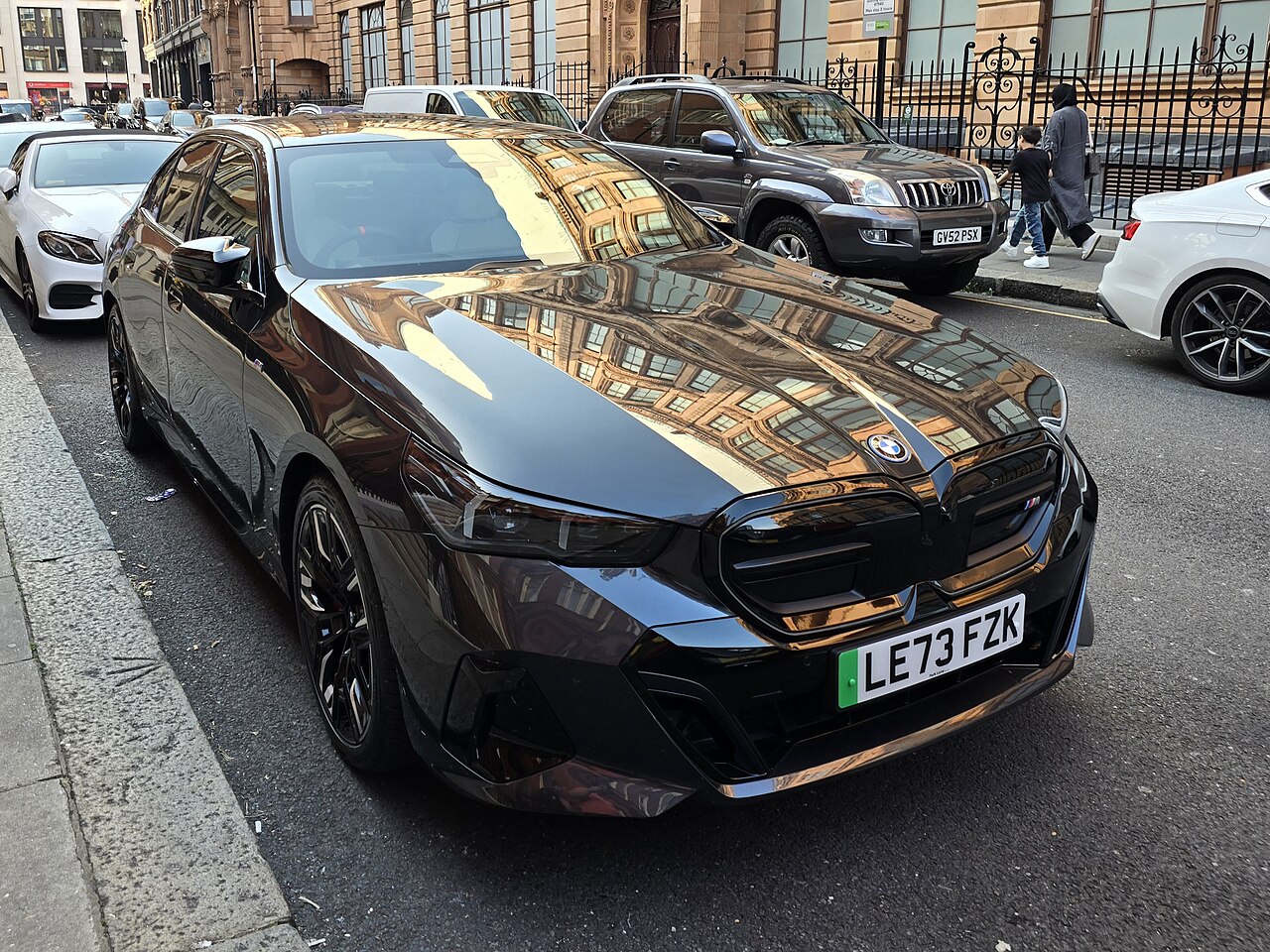
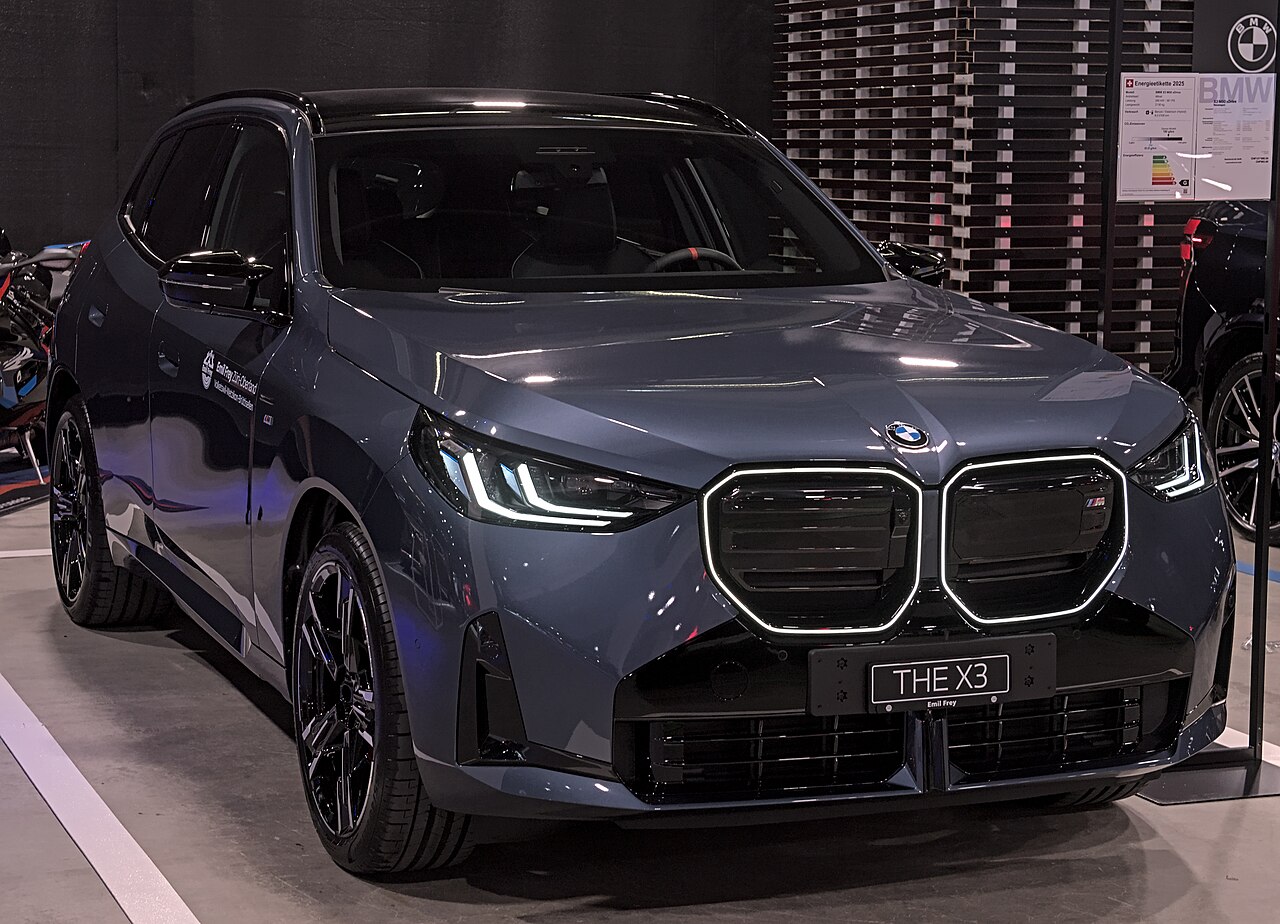 Photo: Wikimedia Commons — CC BY-SA 4.0
The M5 has always been BMW's answer to a specific question: can a four-door family sedan also be genuinely, seriously fast? The current generation answers that question in a way no previous M5 has — by going hybrid. Underneath is still a twin-turbocharged 4.4-litre V8, the engine family M5 buyers expect, but it's now paired with an electric motor and a battery pack, producing a combined output that would have sounded like a supercar figure a decade ago.
A V8 that doesn't need the electric motor to be fast — but is faster with it
The core of the M5 remains a twin-turbo 4.4-litre V8, an engine configuration synonymous with the nameplate for years. What's new is the plug-in hybrid system layered on top, pulling from a 14.8 kWh battery to add electric torque fill and a genuine, usable electric-only driving mode. Combined, the system produces 717 horsepower and 553 lb-ft of torque, enough to send the M5 from 0 to 60 mph in 3.5 seconds — supercar territory, from a car that seats five and has a proper boot.
A curb weight of 5,390 pounds makes the hybrid M5 meaningfully heavier than its predecessors — the tradeoff BMW made for the added electric performance and range.
The tradeoff: this is not a light car anymore
Honesty matters here: the hybrid battery and electric motor add real weight. At roughly 5,390 pounds, the current M5 is noticeably heavier than the combustion-only generations that came before it. BMW's chassis and suspension tuning work hard to disguise this in corners, but it's a genuine engineering tradeoff — more performance and a new electric-only capability, in exchange for carrying more mass everywhere, all the time. Top speed sits at an electronically limited 155 mph, standard for the class.
25 miles of silent running, when you want it
The electric-only range — an estimated 25 miles — isn't the headline reason anyone buys an M5, but it's a genuinely useful feature in daily life: slipping out of a quiet neighbourhood early in the morning, or crawling through a low-emission city zone, without waking the V8 at all. It's the same logic behind plug-in hybrids across the industry, applied to a car whose primary identity has nothing to do with efficiency.
A cabin built to still feel like an M car
Inside, the M5 doesn't reinvent BMW's driver-focused cabin philosophy — leather seating, a leather-wrapped steering wheel, and heated front seats and steering wheel all come standard, alongside a full suite of driver-assistance and infotainment technology including navigation, voice recognition, real-time traffic data, and smartphone integration. It's recognisably a 5 Series-based cabin with M-specific detailing rather than a radical departure, which is largely the point — buyers choosing an M5 over a standalone performance coupe often want everyday usability alongside the performance.
What it's actually for
The M5 has never really competed on lap times against dedicated sports cars — it competes on the question of whether a car can be genuinely, seriously quick and genuinely, seriously usable as a daily family sedan. The hybrid powertrain adds a new dimension to that pitch: supercar-adjacent acceleration when you want it, and quiet electric running when you don't, in the same car, without switching vehicles. That combination — not outright track ability — remains the M5's real reason to exist.
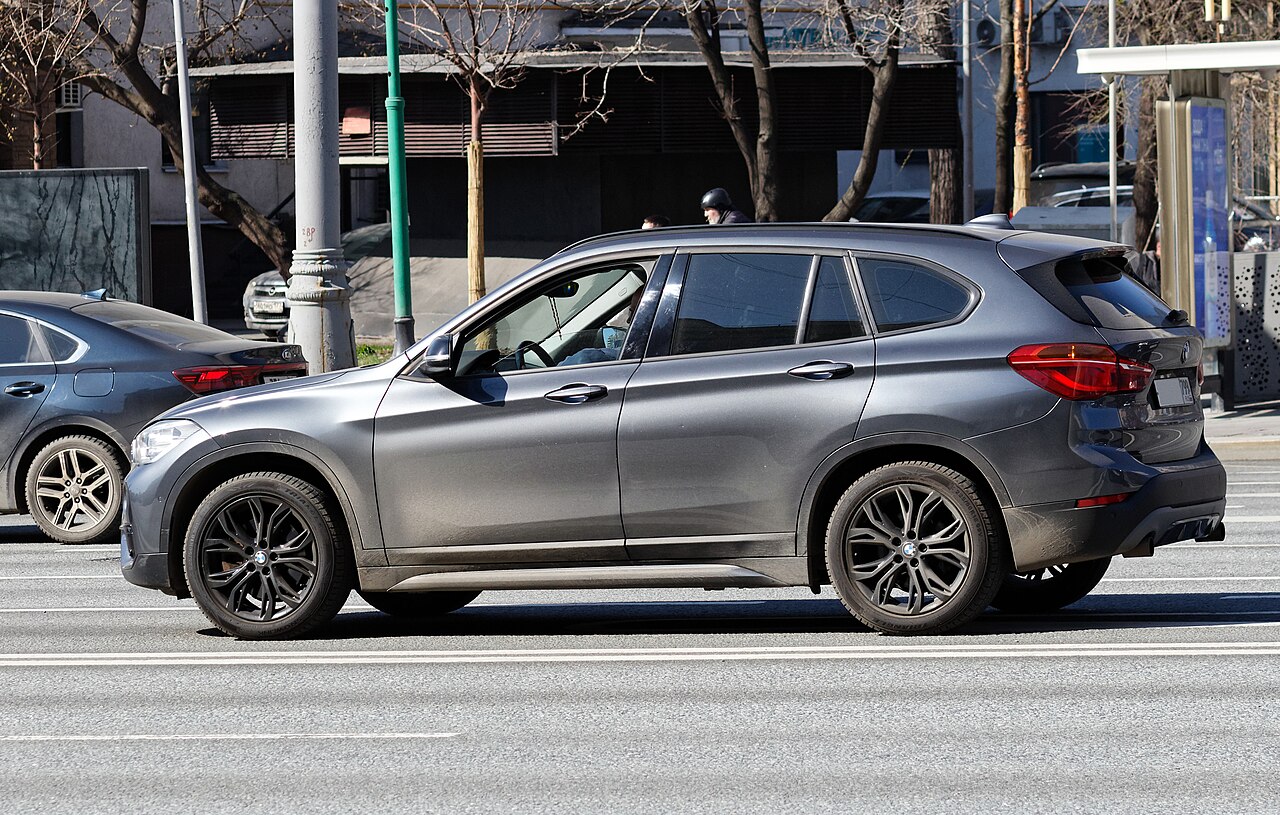
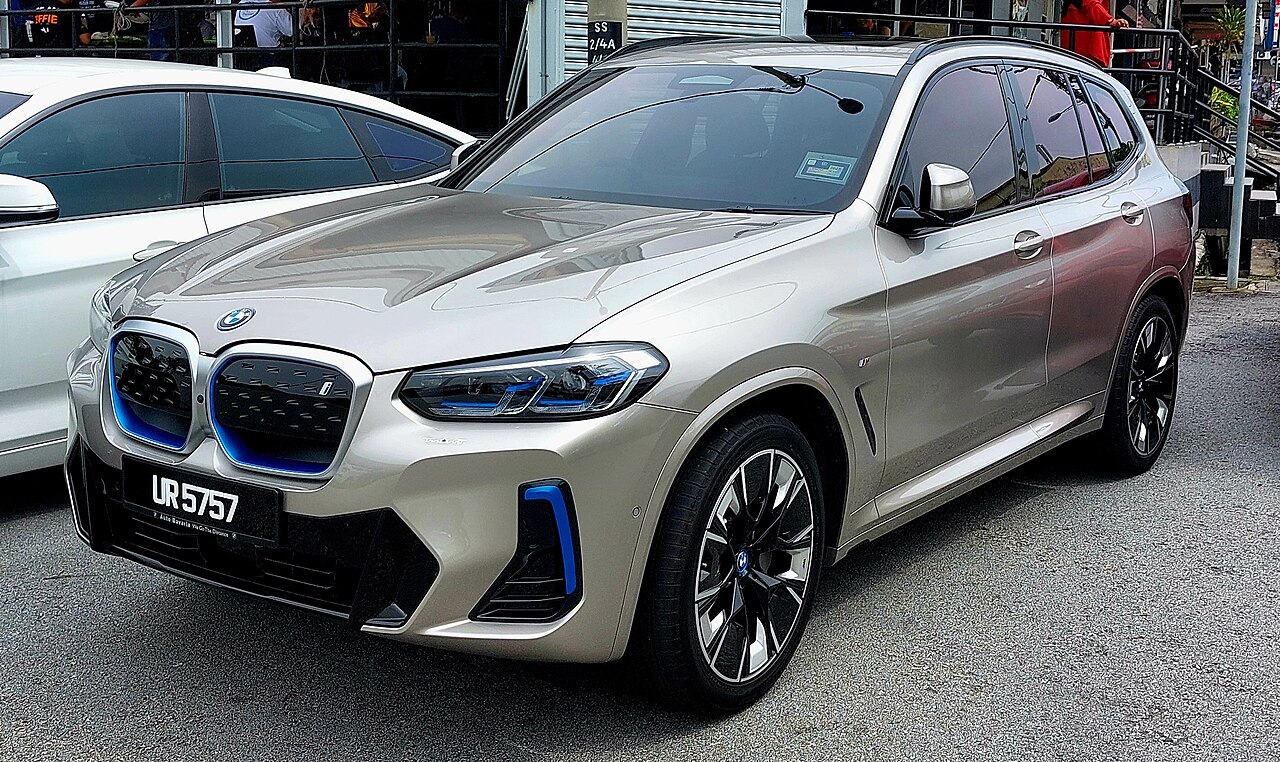
Sources: BMW USA, Edmunds, Kelley Blue Book — figures current as of August 2026. Image: Wikimedia Commons (CC BY-SA / public domain); representative BMW M performance model shown, as exact current-generation M5 press photography is not independently verifiable via Wikimedia Commons.