BYD in India: The World's Biggest EV Maker's Uphill Battle
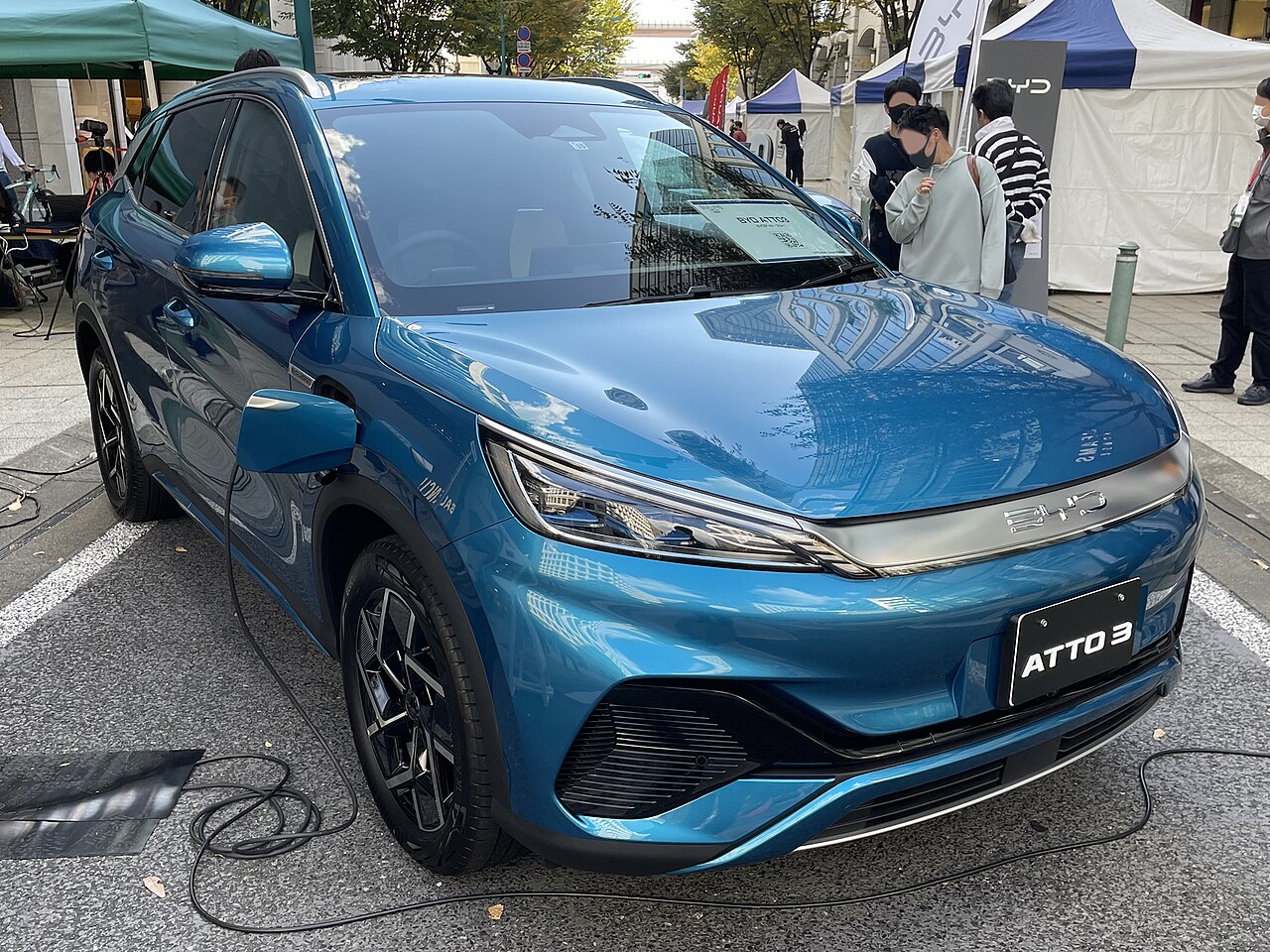 Photo: Wikimedia Commons — CC BY-SA 4.0
BYD sold more battery-electric vehicles than any other manufacturer on Earth in 2025 — 2.26 million of them, more than Tesla. In India, it sells a fraction of that in an entire year, imports every single car it offers, and has been explicitly blocked from building the kind of local factory that's central to its dominance everywhere else. It's a genuinely strange contradiction: the world's most successful EV maker, fighting for scraps in one of the world's fastest-growing car markets.
A genuinely long history, a genuinely recent push
BYD's India story doesn't start with cars — the company entered India back in 2007 through its electronics manufacturing business, well before "BYD" meant anything to Indian car buyers. Its passenger EV push has only picked up real momentum in the last few years, and it's grown fast: India's total EV passenger sales rose 77% in 2025 alone, from roughly 100,000 units in 2024 to 176,817. BYD has followed that curve upward too, reporting an 84% sales jump in its most recent full year, and is targeting further double-digit growth in 2026.
The factory that isn't happening — and why
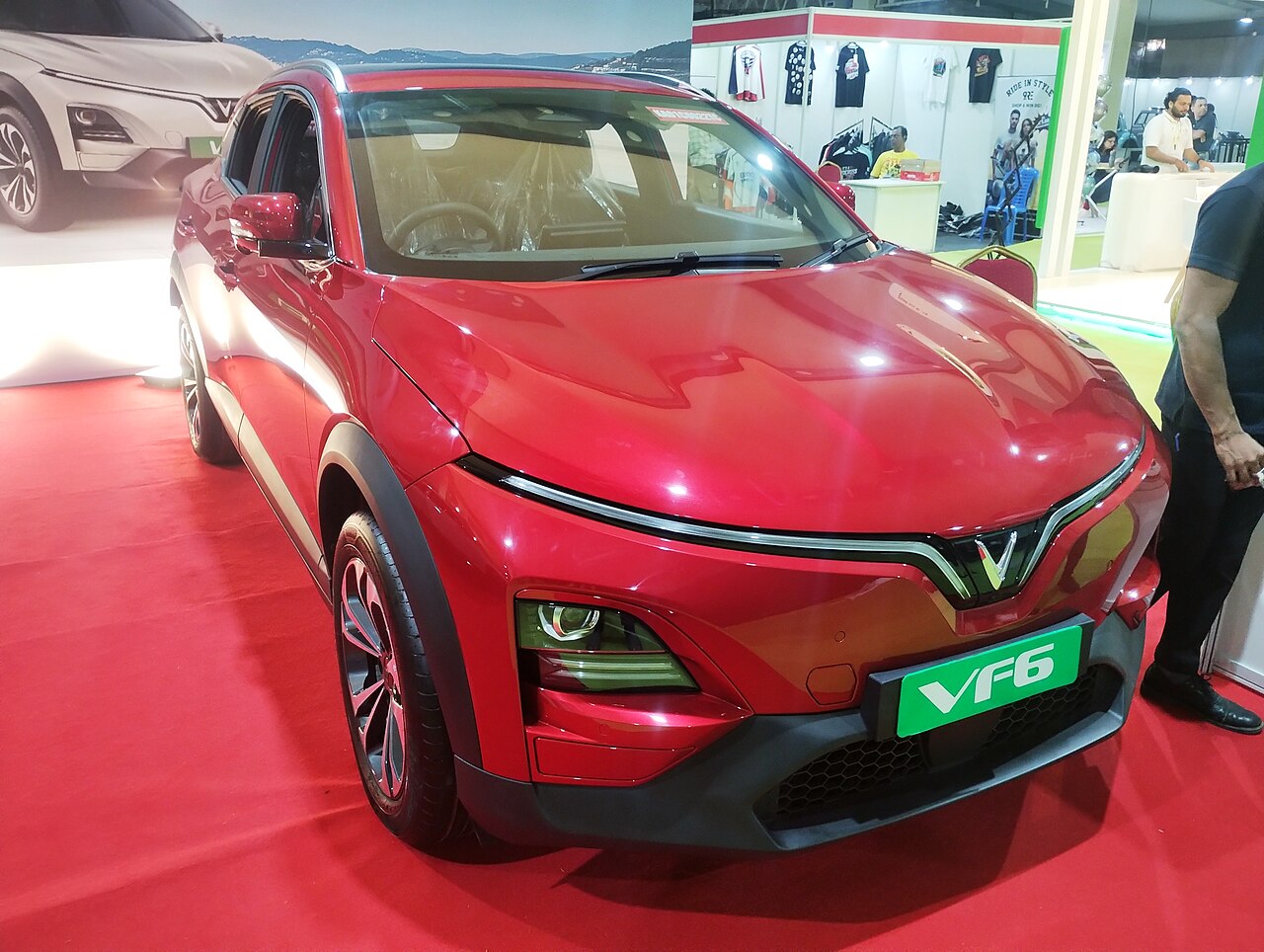
Unlike VinFast, which broke ground on a $500 million Tamil Nadu plant almost immediately, BYD has been unable to secure approval to build its own manufacturing facility in India at all.
This is the single biggest structural difference between BYD's India strategy and a company like VinFast's. Every BYD car sold in India today is fully imported, and BYD's own India leadership has been notably evasive when directly asked about local manufacturing plans. The reason traces back to 2020: following border clashes between Indian and Chinese forces, India has maintained deep, persistent wariness toward Chinese capital investment in strategic sectors — automotive manufacturing very much included. BYD's chief India rival among Chinese-origin brands, MG Motor (owned by China's SAIC), only secured a path to expand by bringing in India's JSW Group as a majority joint-venture partner. BYD, notably, hasn't taken that same route, which may be part of why it remains stuck importing.
The four cars, and one important asterisk
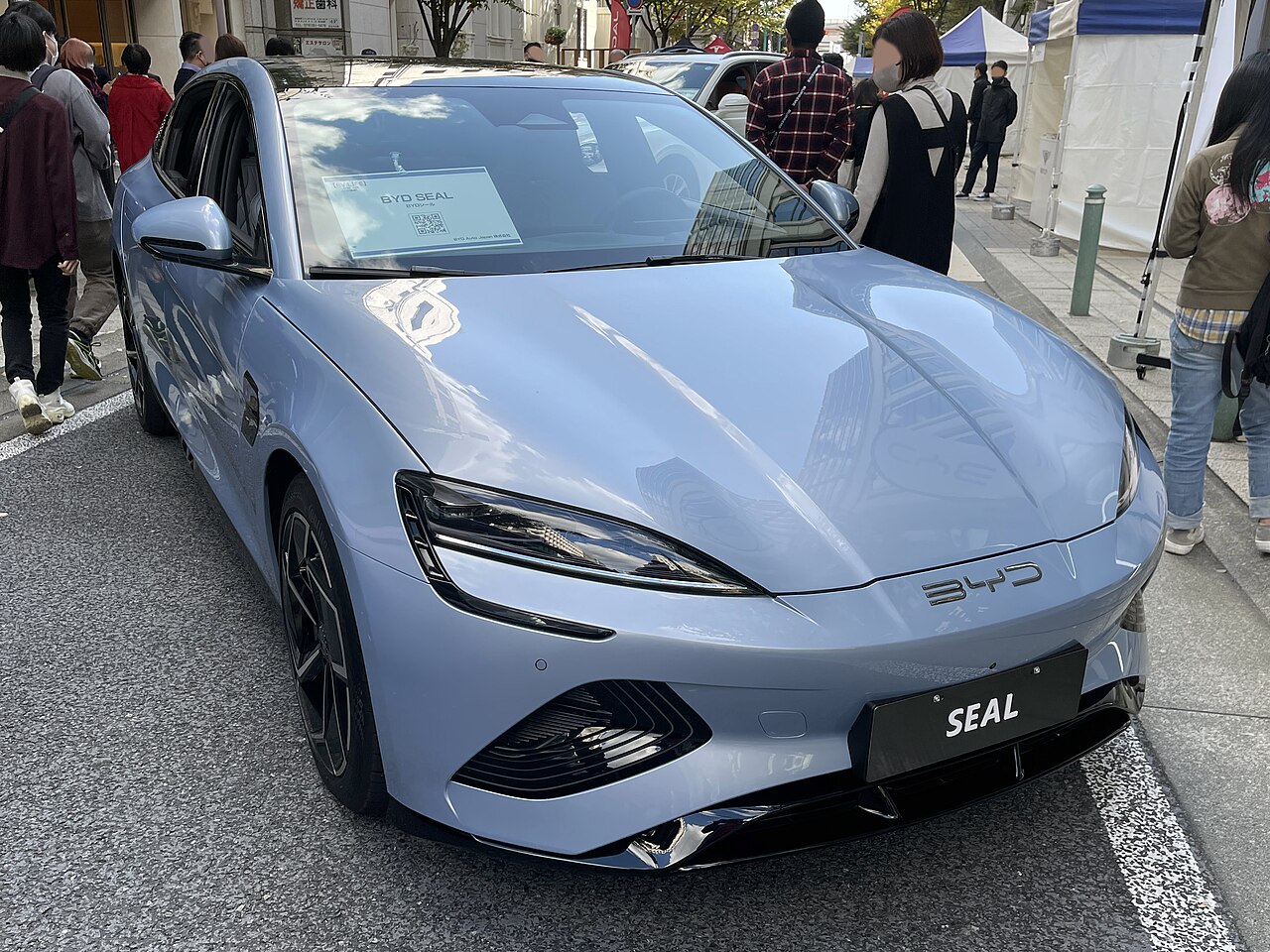
BYD currently sells four electric models in India: the Atto 3 (compact SUV), the Seal (performance sedan), the eMAX 7 (full-size MPV), and the Sealion 7 (SUV coupe, its newest addition). There's a notable technical wrinkle worth knowing: as of the most recent reporting, only two of these four — the Atto 3 and eMAX 7 — are fully homologated for the Indian market, meaning the Seal and Sealion 7 carry a more complex regulatory and import pathway. We've covered the Atto 3, Seal, and Sealion 7 individually in full feature-and-pricing breakdowns, linked below.
Pricing that keeps climbing
| Date | Change |
|---|---|
| 2026 (multiple instances) | At least three separate price hikes across the model range within the year |
| May 2026 | Up to 3% increase across the lineup, cited as forex-driven |
| July 2026 | Further 1-2% increase on bookings from July 1 onward |
Because every BYD car in India is imported rather than locally assembled, the brand's pricing is directly exposed to currency swings and import duty structures in a way that domestically-manufactured rivals simply aren't. BYD has explicitly cited forex movement as the reason behind several 2026 price increases — a genuine structural disadvantage against competitors building locally, including VinFast, which committed to Indian manufacturing from day one specifically to avoid this exposure.
The image problem money alone doesn't solve
Beyond the factory question, BYD faces a genuine brand-perception headwind in India that has little to do with the cars themselves: broader Indian consumer wariness toward Chinese-origin brands, rooted in the same 2020 border tensions that complicated BYD's manufacturing ambitions. Review after review of BYD's Indian models circles back to a similar pattern — genuinely strong tech and performance, undercut by "less brand awareness and Chinese manufacturer status," as one CarDekho review of the Seal put it directly, alongside real concerns about dealer network depth and long-term service availability compared to established players.
What BYD is doing to counter it
- Expanding retail presence aggressively — over 24 showrooms already, including a 9,000 sq ft flagship in Delhi NCR, its sixth in that region alone
- Leaning into geopolitical timing — BYD executives have reportedly visited India specifically to capitalise on improving Delhi-Beijing relations as a door-opener
- Backing claims with real safety data — every current BYD India model carries a 5-star Euro NCAP or equivalent rating, a genuine, verifiable point of strength
- Competing on technology, not just price — BYD's Blade Battery and e-Platform 3.0 architecture are consistently highlighted across reviews as genuine differentiators, not just marketing language
Where this leaves BYD's India ambitions
BYD has stated a target of capturing 40% of India's EV market by 2030 — an extraordinarily ambitious figure given where it stands today, competing primarily against Tata Motors (India's current EV sales leader) and an increasingly crowded field that now includes VinFast, Mahindra, and eventually Tesla. Whether BYD can close that gap while still importing every car and facing a brand-trust headwind domestic and Vietnamese rivals don't carry is the central open question — one that likely can't be answered until India's stance on Chinese automotive manufacturing investment either shifts or hardens further.
Sources: Outlook Business, Gulf News, CarDekho, CarWale, Autocar India, Team-BHP, ZigWheels, Wikipedia — figures current as of September 2026. Image: Wikimedia Commons (CC BY-SA 4.0).